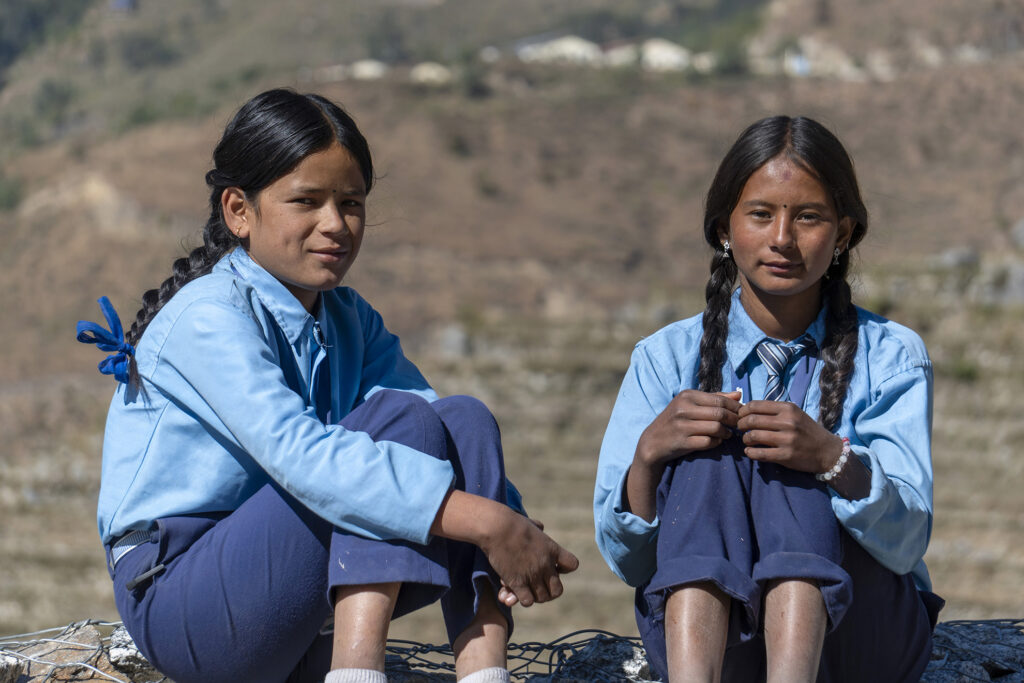
In Kalikot district in Nepal’s remote Karnali Province, menstruation is still widely defined by silence, stigma and long-standing harmful practices. For 15-year-old Rashmi, these traditional beliefs helped form her understanding of what it means to be a girl. “Growing up, I saw my mother and grandmother stay in a separate room called a Chhaupadi hut during their periods.”
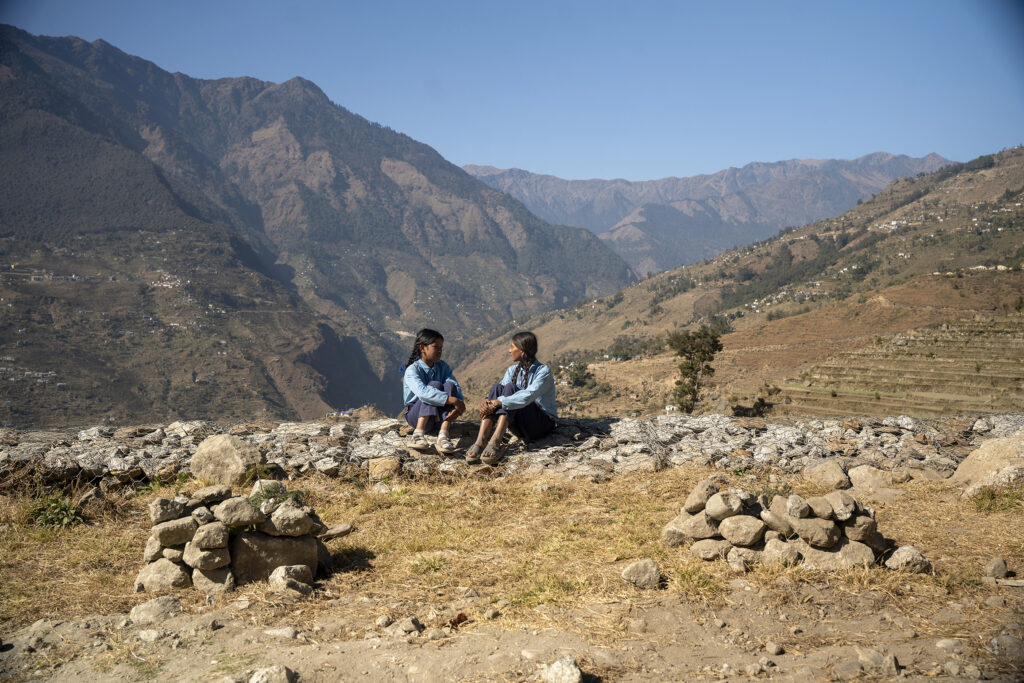
Like many girls in her community, Rashmi had little access to accurate information and support. Menstruation was not openly discussed at home or at school, and sanitary products were difficult to obtain. “When I got my first period, I was scared and confused. I didn’t understand what was happening to my body or who I could talk to,” she recalls. “I felt embarrassed and alone, and I have never forgotten that experience.”
Without access to safe toilets or sanitary products, Rashmi often missed school when she had her period, a common occurrence for many girls in rural Nepal. Each month, a lack of privacy and support pushed girls further behind in their education, perpetuating cycles of inequality.
Things began to change when Rashmi was in Year 6 and her school became part of a menstrual health project. The initiative works across rural schools in Karnali to improve water and sanitation infrastructure while challenging harmful cultural norms around menstruation.
Through the project, Rashmi joined her school’s Menstrual Health and Hygiene (MHH) club. There, she took part in training sessions on menstrual health, good hygiene practices, as well as sanitary pad production. “For the first time, I learned that menstruation is natural and that girls should not feel ashamed,” she says.
Alongside other students, teachers, parents and community members, Rashmi participated in discussions aimed at reducing stigma and improving knowledge. These sessions created safe spaces for conversations in a community where periods had long been treated as taboo.
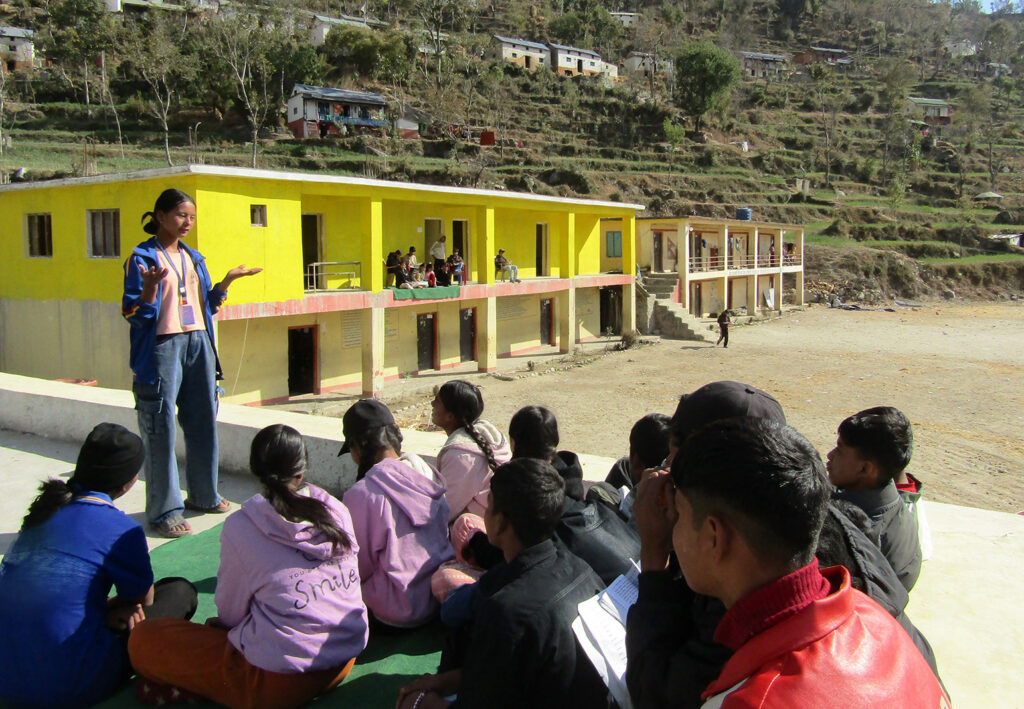
As her confidence grew, Rashmi began to speak up. “The more I learned, the more confident I became. I started speaking up in meetings, encouraging my friends to join the MHH activities and challenge harmful traditional practices such as Chhaupadi. With the project’s support, I shared what I had learnt with others and realised that someone my age could help bring about change.”
Her advocacy did not stop at school. At home, her openness about menstruation began to change her family’s attitudes. “My mother says that my courage has changed our family,” Rashmi explains. “Because of what I shared, my parents now understand proper hygiene practices during menstruation. We talk openly at home, and menstruation is no longer something to hide or feel ashamed of.”
At the same time, positive developments at her school reinforced these social changes. The introduction of gender-friendly toilets, access to water and sanitary pad disposal systems, and a dedicated MHH room created a safer and more supportive environment for girls managing their periods. These improvements have made it easier for girls to attend school consistently while providing spaces where they can seek support and maintain their dignity.
Today, Rashmi is an active member of her school’s extracurricular activities and community awareness programmes. Other girls and women now turn to her for advice on menstrual health and hygiene, trusting her to provide accurate guidance.
I believe that real change is only possible when the whole community works together. Everyone has a role to play in ending harmful practices and supporting health and dignity.
Rashmi’s experience reflects the broader changes taking place in parts of Karnali, where improved infrastructure, education, and community engagement are helping to dismantle stigma and create more opportunities for girls.
“I am proud that my voice and actions are helping to create a safer and healthier environment for girls and women,” she adds. “I have learnt that, with knowledge, support and courage, young people like me can make a difference.”