
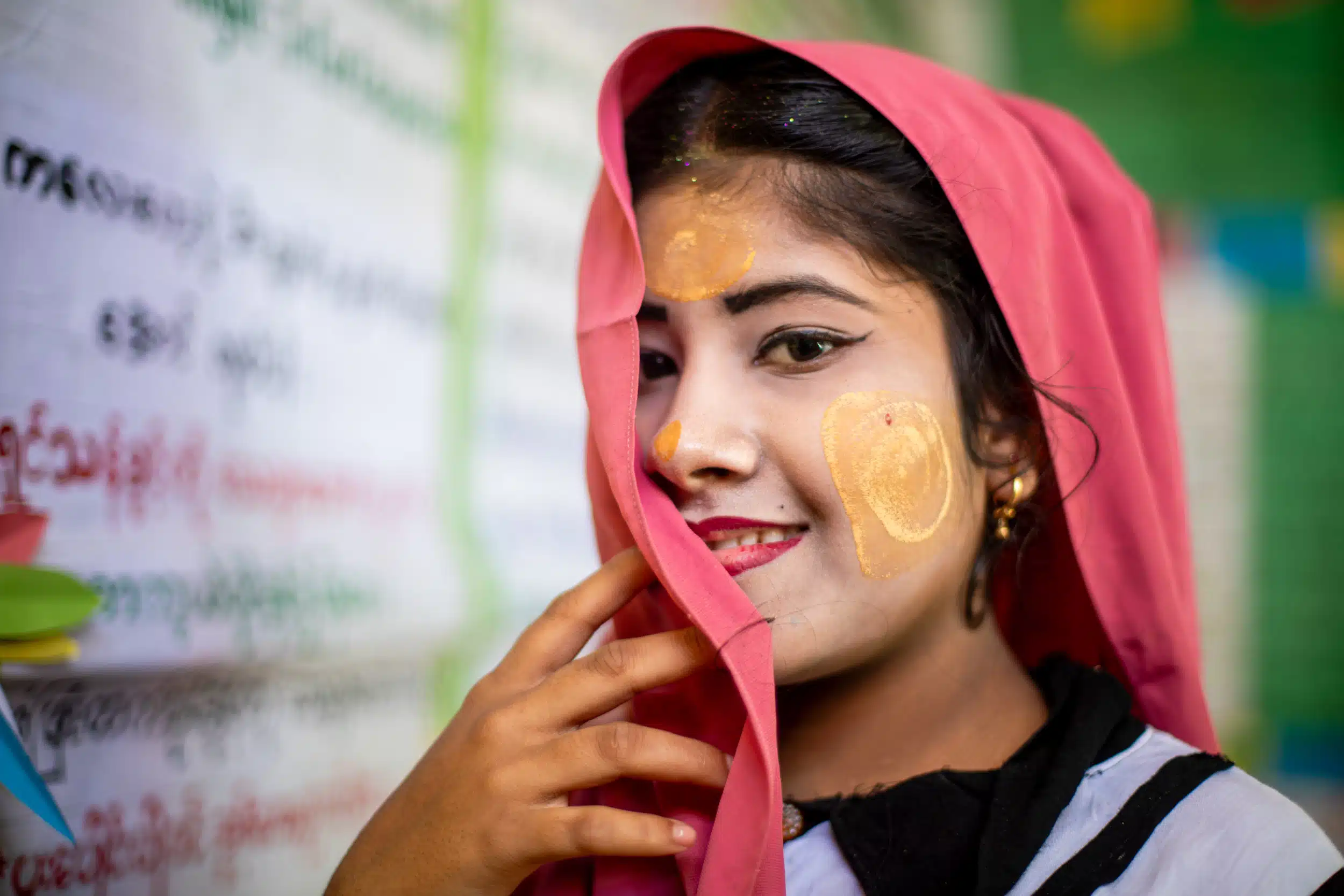
In the Rohingya refugee camps of Cox’s Bazar, Bangladesh, families are facing impossible choices. Years of displacement, deepening poverty and shrinking food assistance have pushed many households to breaking point. For girls, the consequences can be life-changing, with child marriage often seen as a way to ease the family’s financial burden.
Asma knows this story all too well. She lives in the camps with her family and is the eldest of five siblings. When her father became ill and could no longer work, the pressure on her household grew sharply. Believing it would lighten the load on her struggling family, Asma’s relatives proposed she be married to her cousin. Her parents agreed. But Asma, still just a child herself, was distraught. She was afraid her education and her childhood were about to be taken from her.
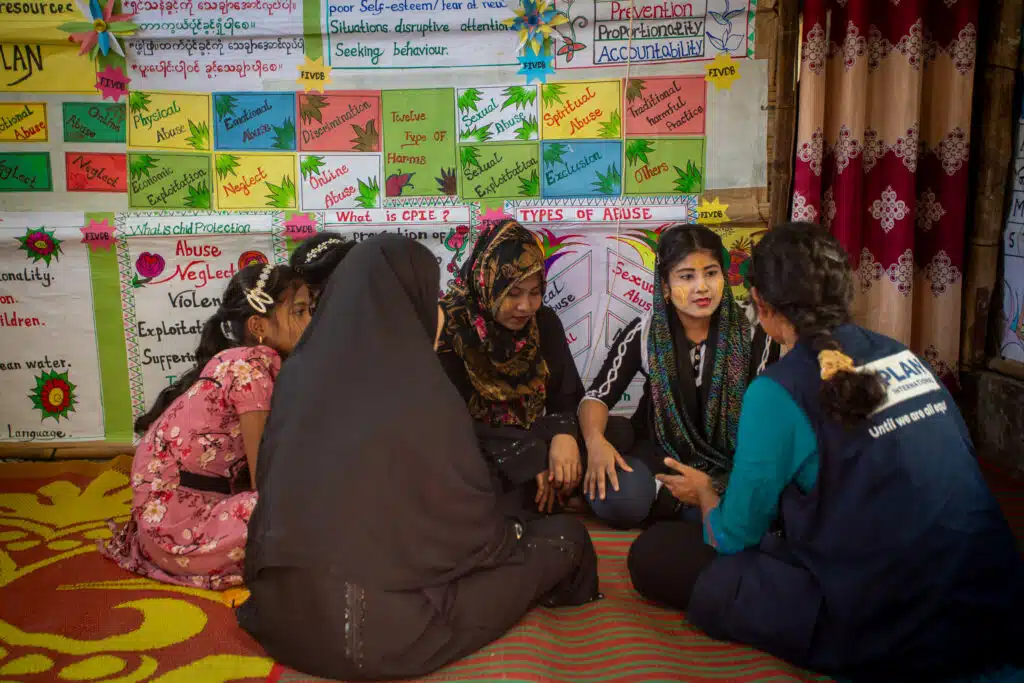
What Asma did have, though, was knowledge and a network of people she trusted. Through the Champions of Change youth club, supported by Plan International and delivered with local partner Friends in Village Development Bangladesh (FIVDB), she had learned about the risks and harms of child marriage. She knew it wasn’t something she had to accept in silence.
I have been able to learn many things. I didn’t know what child labour is, now I know what child labour is. I didn’t understand what child marriage is, after coming here I have been able to understand these things.
She confided in a friend, who helped her reach the youth club’s facilitators. Together with child protection workers, they visited Asma’s home and spoke with her parents about the harms of child marriage and why it was so important that Asma be allowed to continue her education. After several conversations, her parents changed their decision and cancelled the marriage.
“If my facilitator was not there, if my friend was not there, if that committee was not there then my child marriage would have happened… At home I couldn’t manage everything alone, I would have become a victim of child marriage.” says Asma.
Today, Asma is determined that other girls won’t have to live through what she did. Alongside her friends from the youth club, she has helped stop other planned child marriages in her block by sharing what she has learned and alerting trusted adults when girls are at risk.
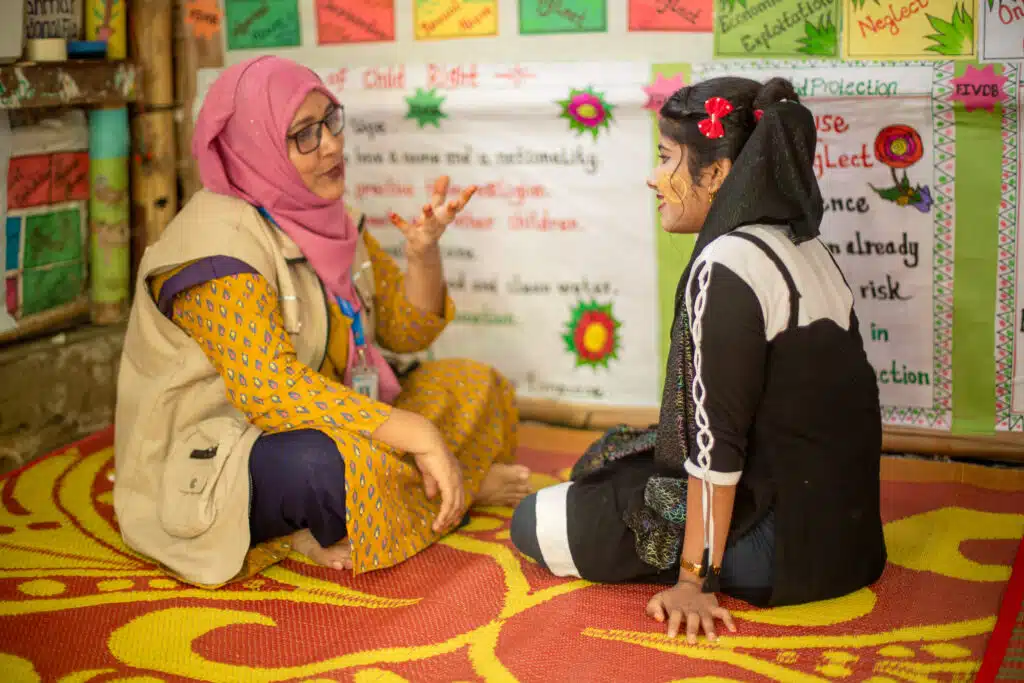
We will tell girls like us about what child marriage is and teach them everything so that they can understand… I don’t want anything like this to happen to other girls like me. No child marriage should happen.
She continues her own education too, and dreams of one day becoming a teacher, just like the facilitator who helped change her life:
“After studying and becoming a teacher like my facilitator, we also want to teach children what child labour is, what child marriage is, in the same way we have learned.”
Asma was supported through the Centrality of Protection in Protracted Crisis (CPPC) programme, funded by the Australian Humanitarian Partnership (AHP) and implemented with local partner FIVDB. The programme works with children, parents and communities to prevent harm before it happens through community-based youth clubs, parenting sessions and case management services that raise awareness of children’s rights and offer support when a child is at risk.
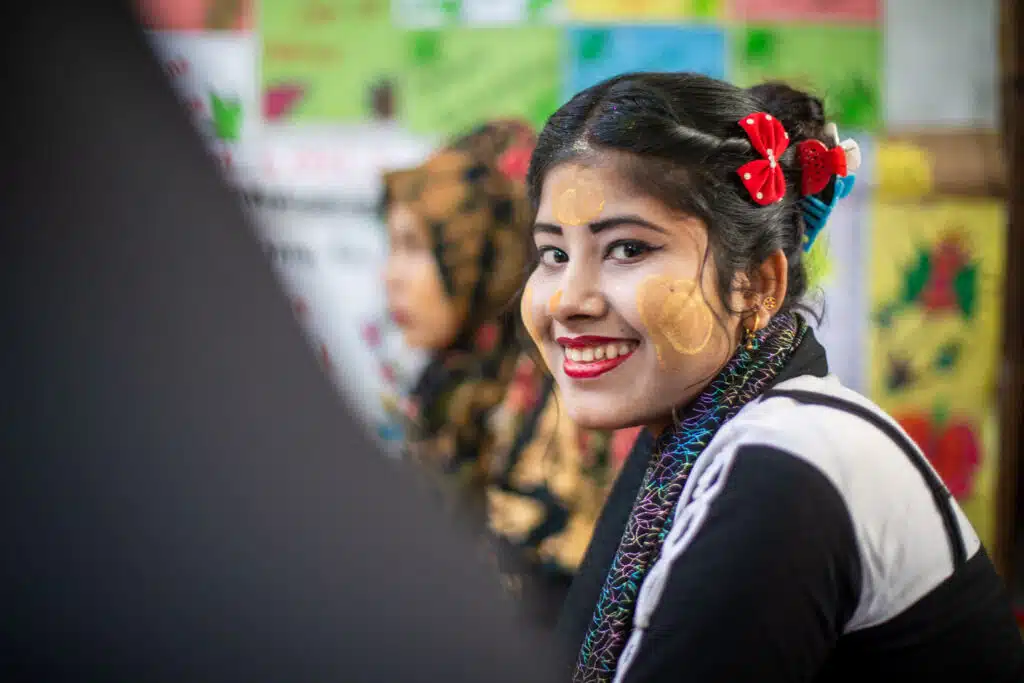
For girls like Asma, these programmes are the difference between a future they choose and one chosen for them. But as global humanitarian funding falls, safe spaces and learning centres in the camps are scaling back or closing, leaving children more exposed to child marriage, child labour, trafficking, violence and exploitation.
At the same time, cuts to monthly food rations are pushing more families to the brink, making early marriage feel like a desperate solution to an impossible situation.
Asma’s story shows what’s possible when girls have the knowledge, support and trusted adults around them to speak up. We can’t let those lifelines disappear.