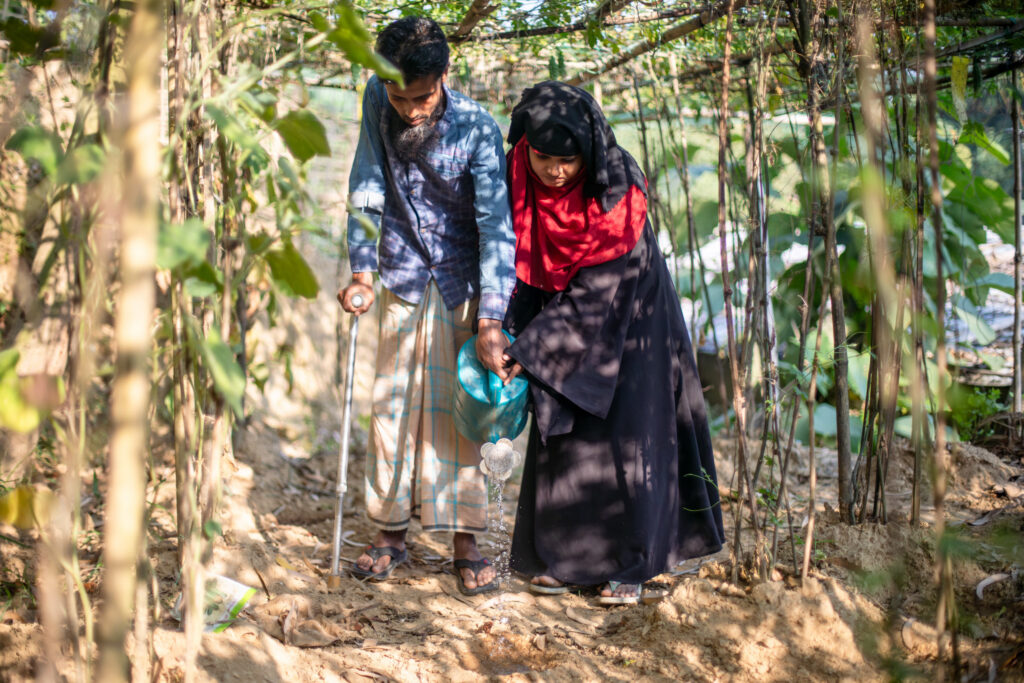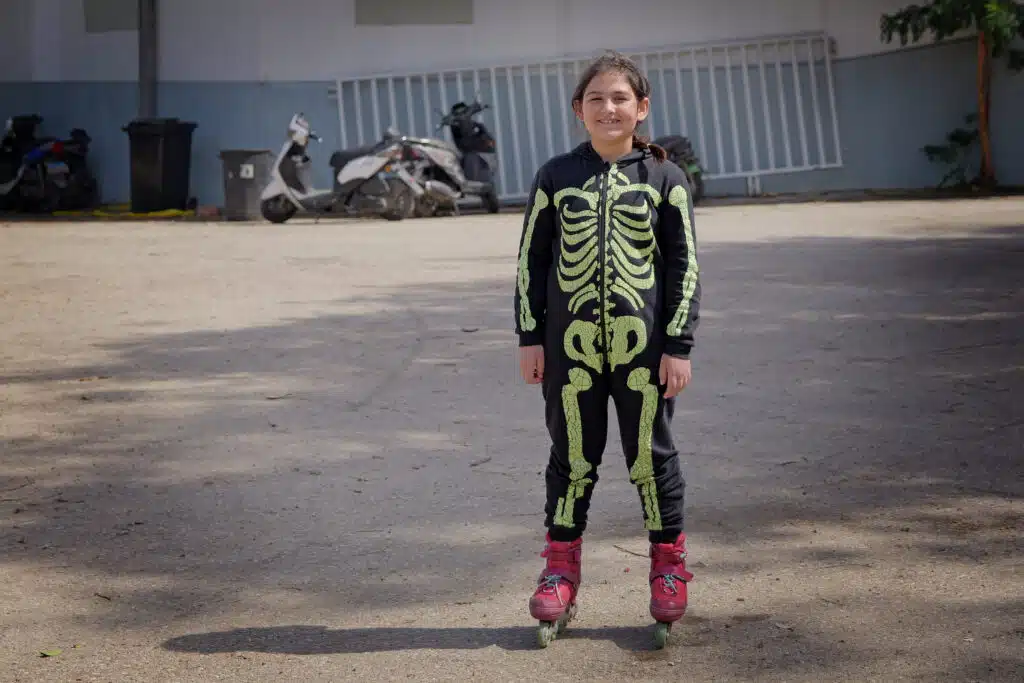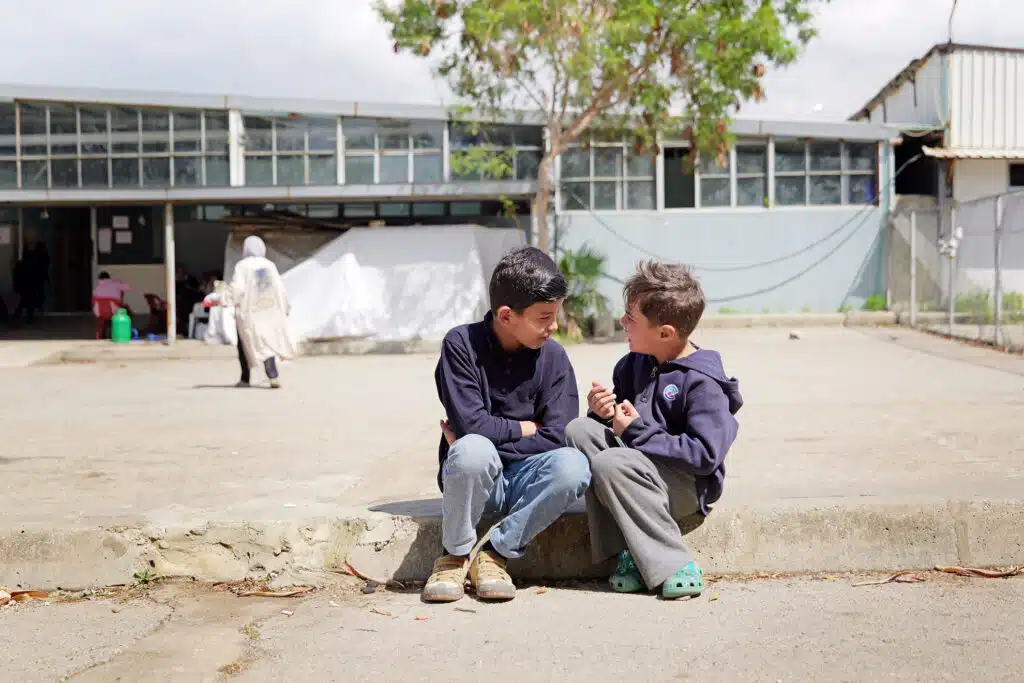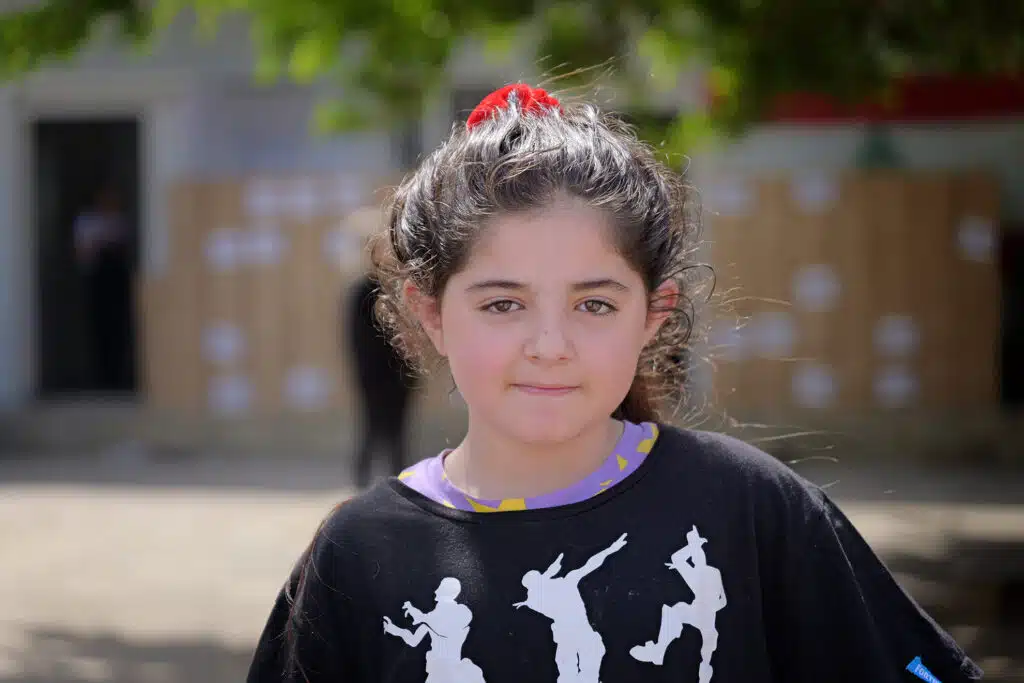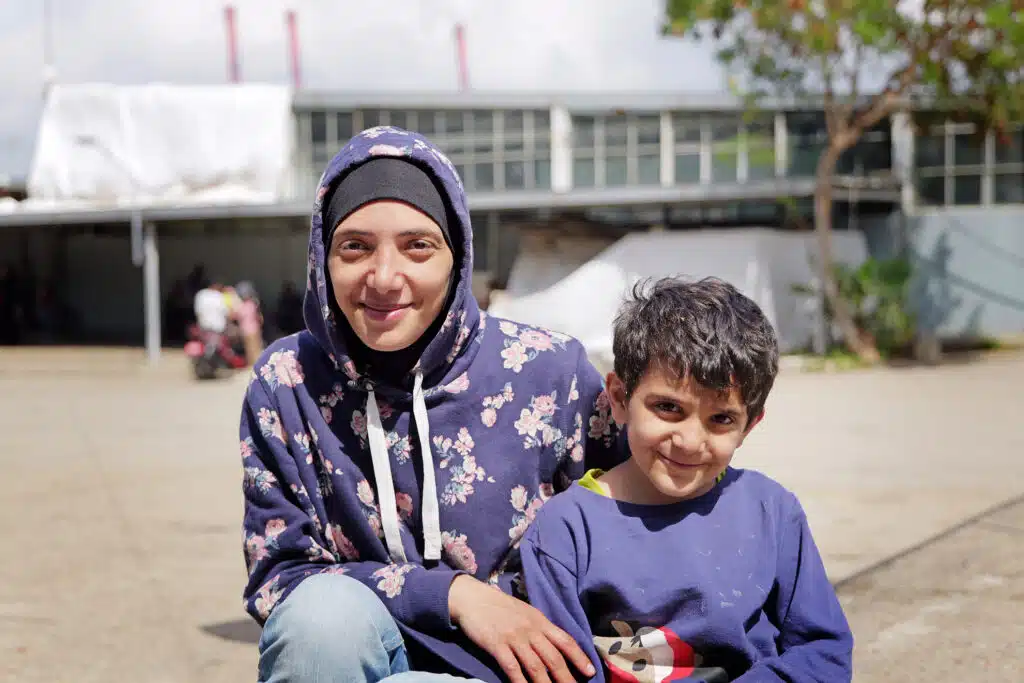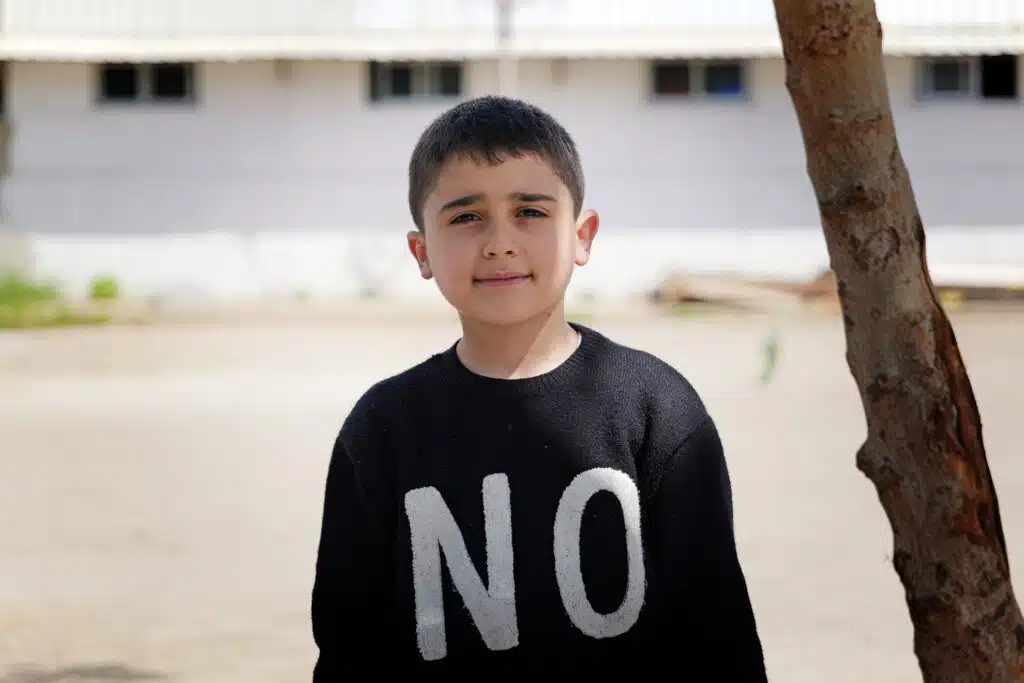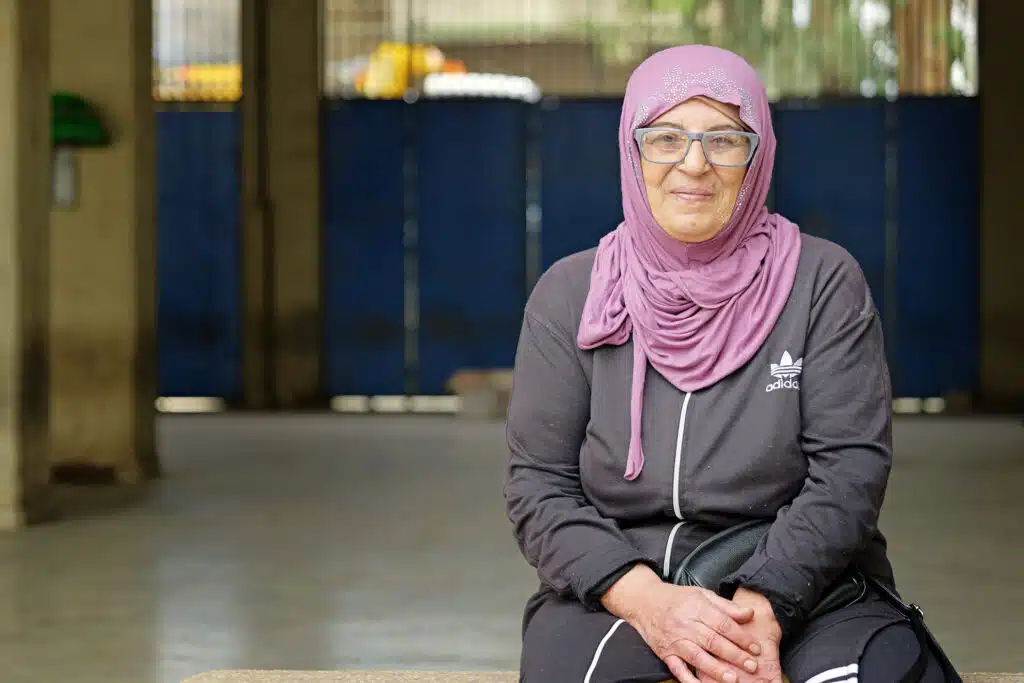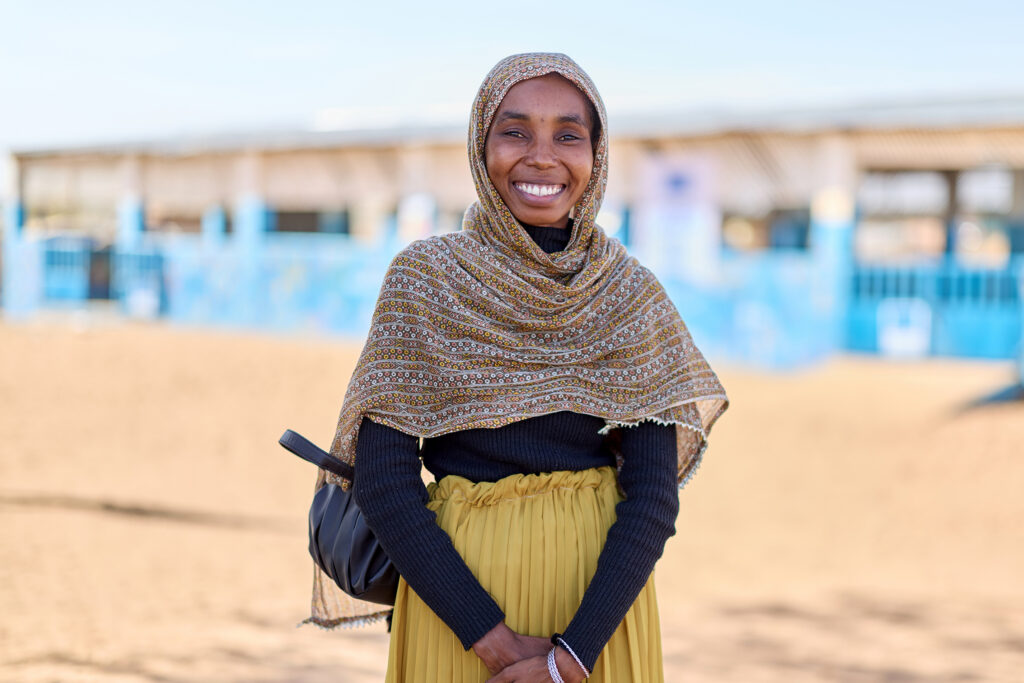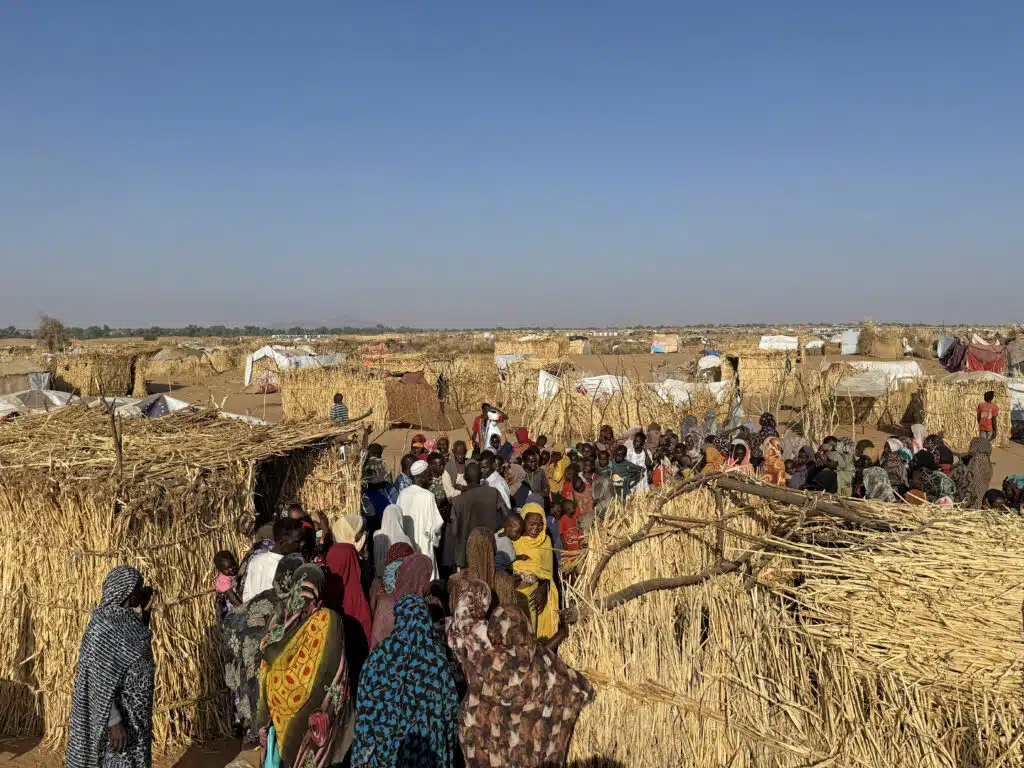

Nearly 1.5 million Rohingya refugees have been living in the camps of Cox’s Bazar, Bangladesh, since fleeing violence in Myanmar in 2017. For children who have grown up in displacement, the camps are the only home they truly remember. Overcrowding, ongoing food insecurity and limited opportunities place children, and particularly girls, at serious risk of early marriage, exploitation and missing out on an education.
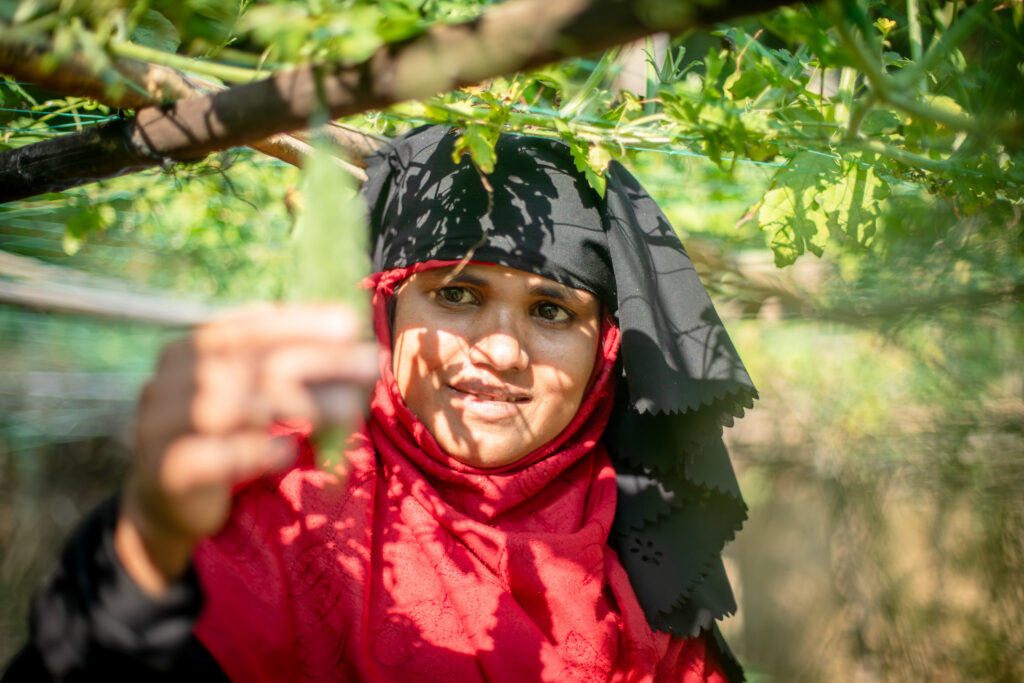
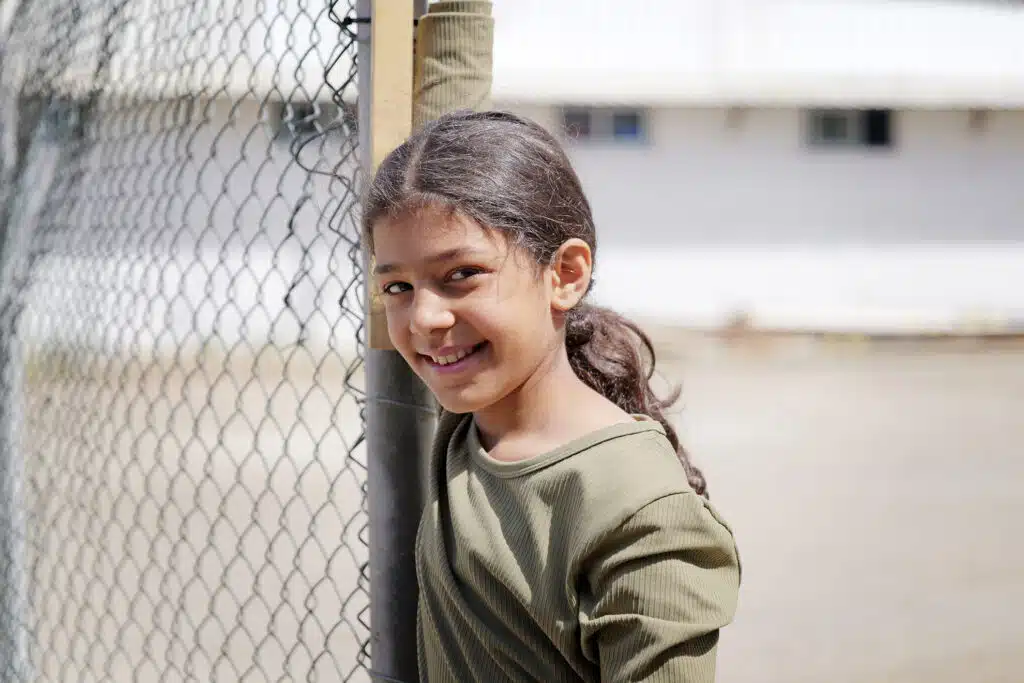
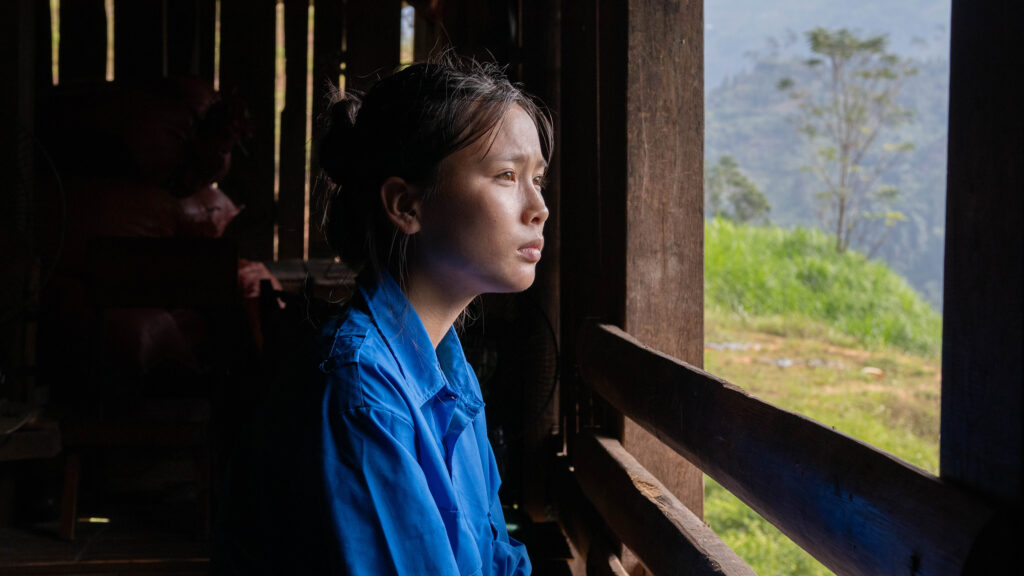
Dildar lives in the camps with her parents and seven siblings. She was just a small child when her family fled Myanmar, leaving behind the open spaces and freedom she still remembers vividly today. While arriving in Bangladesh brought safety, but it also brought new challenges. Like many displaced children, Dildar missed out on schooling in her early years, and life in the camps came with its own restrictions.
After 8-9 years since we came here, everyone started saying that we probably cannot go back so we will settle here. There is no open space, we cannot go outside freely from the camp.When we were in Burma, we had a big yard, full of trees, with a boundary around. And we could move freely there… We have to live with as much difficulty as we can under the roof of Tarpaulin.
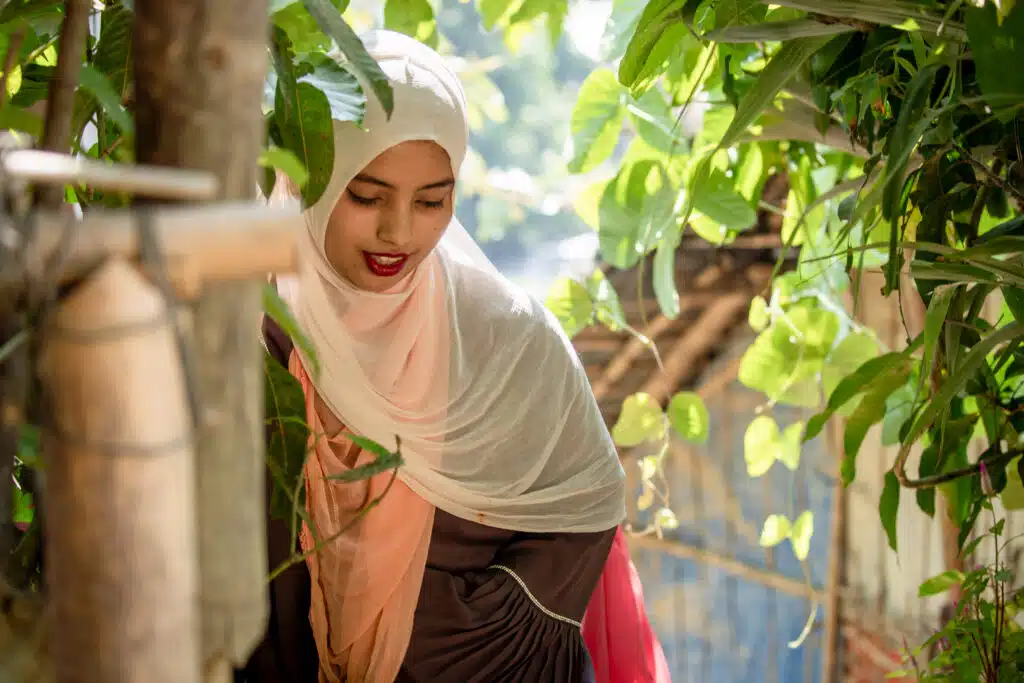
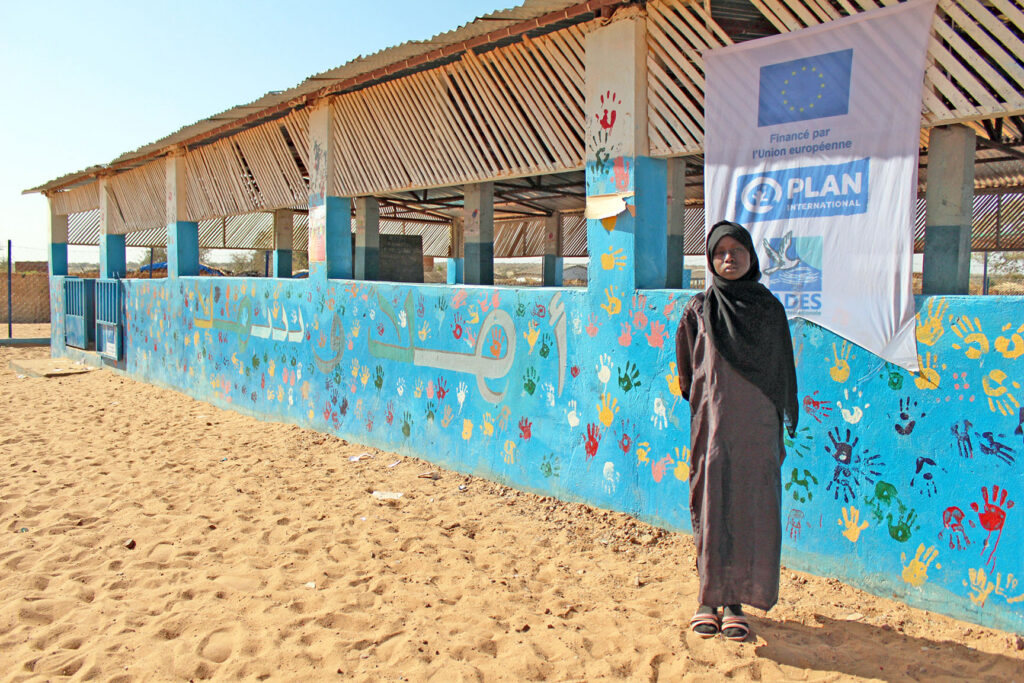
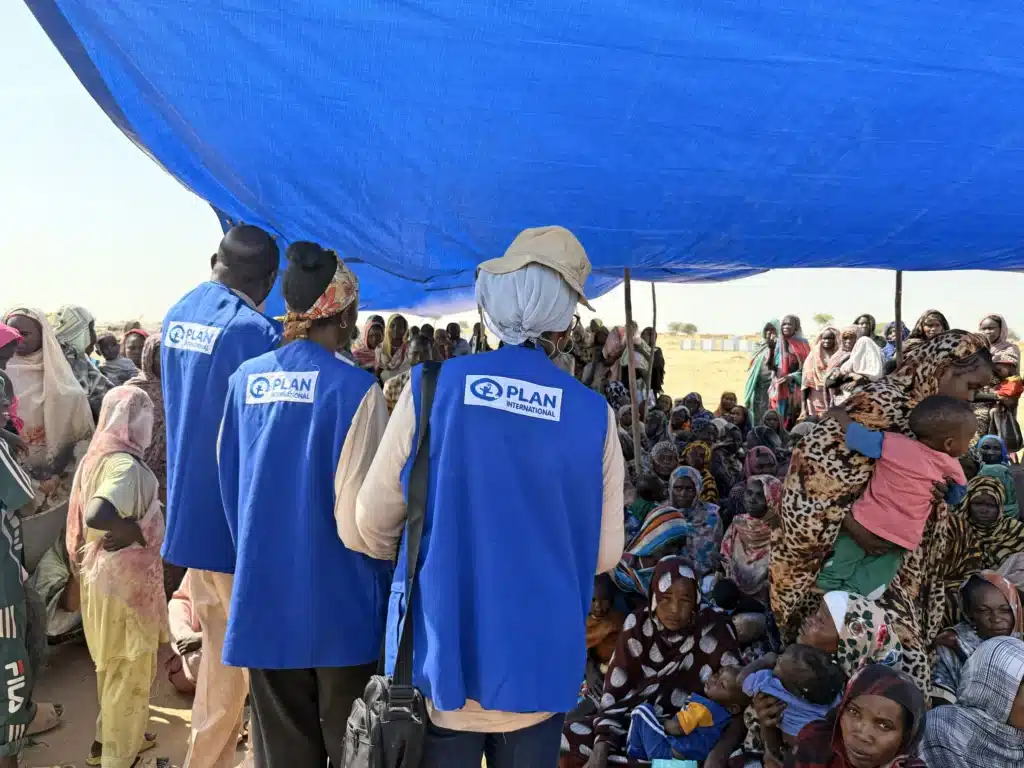
Dildar’s life began to change when she joined a local youth club close to her home, supported by Plan International and delivered with local partner Friends in Village Development Bangladesh (FIVDB). The centre felt safe and offered her the chance to learn basic literacy and numeracy, take part in sessions about children’s rights, and learn how to keep herself and her friends safe. She also learned how to share her feelings, manage her emotions and build healthy relationships.
“Now as FIVDB and Plan have given us home-based centres, these have been very helpful for us… After getting the sessions I understood myself and I can explain it to my friends and the people in the community.” Dildar says.
The skills Dildar learned soon made a real difference. When a 13-year-old friend confided that her relatives had arranged her marriage, she turned to Dildar for help.
“She told us, ‘My parents want me to get married. Since you study and got sessions about child marriage, please try to see if my marriage can be stopped.’ Then I went and told the whole story to our facilitator. After telling them they solved the problem. They stopped the child marriage. Now she can study really well like me and I’m very happy about this.”
Today, Dildar is respected in her community for helping other girls stay safe and continue their education. She is proud of how much she has learned, but she’s not stopping there. She dreams of becoming a teacher so she can support other children, and she continues to encourage families in her community to keep girls in school and delay marriage until adulthood.

Child marriage is stopping in the camp through our words. We are making them aware through talking, different sessions and by going to different programs… I want to become a teacher. I also want to stop the small wrong ideas and problems in society.
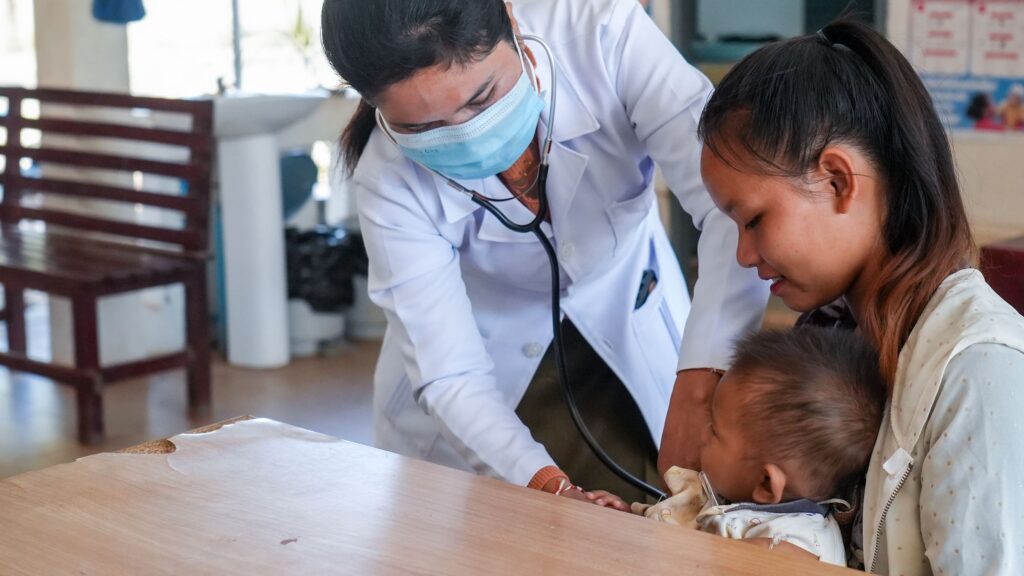
Dildar was supported through the Centrality of Protection in Protracted Crisis (CPPC) programme, funded by the Australian Humanitarian Partnership (AHP) and implemented with local partner FIVDB. The programme strengthens child protection by working with children, caregivers and community leaders, through community youth clubs (Champions of Change), psychosocial support, child protection case management and positive parenting sessions. For many children, trusted facilitators are the first people they feel safe speaking to when something is wrong, helping concerns be raised early and support put in place quickly.
But in the camps, pressures on families are growing. As global humanitarian funding reduces, safe spaces and learning centres are scaling back or closing, leaving children more exposed to risks including child marriage, child labour, trafficking, violence and exploitation. At the same time, cuts to monthly food rations mean many families are struggling to meet even their most basic needs.
For girls like Dildar, safe spaces to learn, speak up and grow are more than just programmes, they are lifelines. They are where futures begin to take shape, where confidence is built, and where the next generation of young leaders find their voice.

Dildar’s story is proof of what’s possible when girls are given a safe place to learn, a trusted adult to turn to, and the knowledge to stand up for themselves and others. But right now, those very programmes are at risk. With global aid budgets shrinking, safe spaces are scaling back or closing altogether and leaving girls more vulnerable to child marriage, exploitation and a future stolen before it begins.