
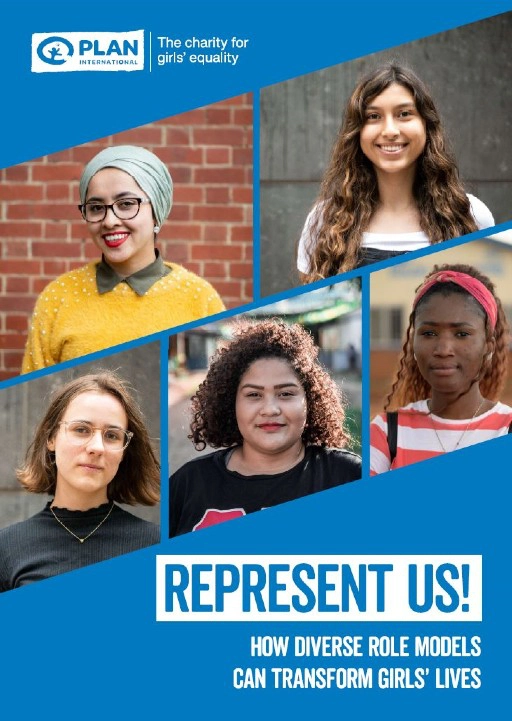
Plan International Australia’s ‘Represent Us! How diverse role models can transform girls’ lives’ report highlights the importance of leadership and representation, and points to the ways women can be more visible and supportive role models.
We surveyed 525 Australian girls and young women aged 16 – 25 and found that the emergence of online spaces has been a game-changer for girls to find and connect with role models who reflect their own identities –particularly in the wake of Covid-19.
However, 60% of the girls and young woman we surveyed reported that it was hard to find role models that reflected their diversities growing up and this lack of diverse representation has a profound ripple effect.
We found that role models of diverse cultural backgrounds, gender identities, or disabilities have had an impact on young women’s self-confidence (66%), career choices (56%), and education (52%). This was especially the case for LGBTIQ+ young women, with 82% saying more diversity in female role models would have had an impact on their self-confidence growing up – and 65% say this would have impacted on their career aspirations.
In our formative years, one of the ways we all get more confident and comfortable with our differences is through seeing those differences in our mentors, idols and heroes – the people who get our attention and take up media space. While workplaces are becoming more diverse, when it comes to diversity amongst the people in power and those with influence, we still have a long way to go.

