Free To Be Online

Free to Be Online - Plan International Australia

Girls around the world are physically threatened, racially abused, sexually harassed and body shamed online. And it gets worse when they raise their voices and share their opinions. Online violence is serious, it causes real harm, and it’s silencing girls’ voices.

With the support of more than 60,000 people around the globe, girl activists have taken their demands to the social media companies, and they are being heard!

Following the launch of our #FreeToBeOnline campaign, Instagram agreed to team up with young activists from around the world to address online harassment.

A series of Girls Get Equal Listening Sessions followed, bringing together 15 inspiring girl and young women activists in direct conversation with Instagram, along with Facebook and WhatsApp to discuss solutions for girls’ online safety. The listening sessions have given girls a say in how to make online safety a reality – which means stronger reporting mechanisms for violence that meet their needs and hold perpetrators to account. After all, they have first-hand experience of the problems.

Online violence is serious. It silences girls’ voices – and it causes real and lasting harm.

How did the listening sessions work?

A diverse group of 15 change-makers, activists and advocates brought together their collective expertise and experience, and crowd-sourced the views of hundreds of girls in their networks.

During the Girls Get Equal Listening Sessions, staff from Instagram, Facebook, and WhatsApp joined Plan International to hear directly from the young women activists.

The platforms shared what they are already doing to tackle online abuse, and together they discussed ideas, solutions and priorities.

Meet the Activists

Ten girls and young women aged 15 – 22, and five young women civil society leaders, are engaging with Instagram, Facebook and WhatsApp.

This diverse group of 15 change-makers, activists and advocates are bringing together their collective expertise and experience, and collecting the views of hundreds of girls in their networks.

The activists are sharing their insights and requests for concrete changes with the platforms to help make them safer for girls everywhere. The girls and young women are joined by powerful allies from civil society organisations, bringing experience and expertise in advocating for safety online to the Girls Get Equal Listening Sessions.
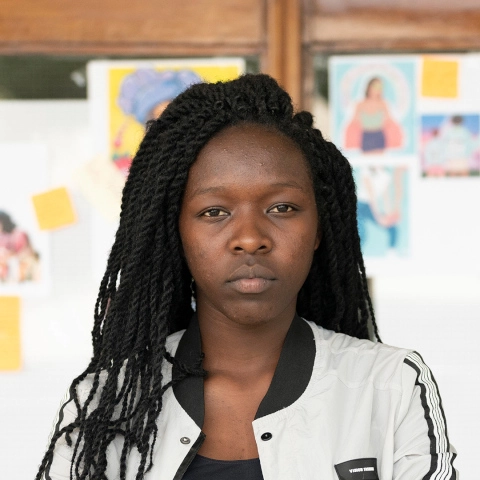
Stephany, 20, from Kenya is an inspiring advocate for girls’ rights and a mentor to young future change-makers.

Stephany, 20, Kenya

Stephany is an inspiring advocate for girls’ rights and a mentor to young future advocates. Stephany was one of the youth activists who helped to shape the Youth Toolkit for Girls Get Equal.
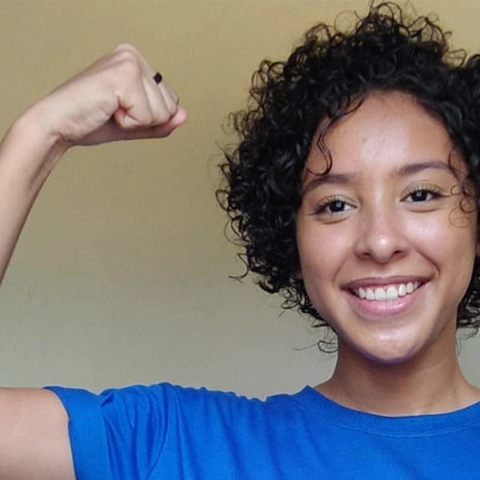
Bruna, 18, from Brazil is a passionate change-maker, committed to supporting girls and young women, especially Black and Indigenous girls.

Bruna, 18, Brazil

Bruna is a passionate change-maker, committed to supporting girls and young women, especially Black and Indigenous girls.
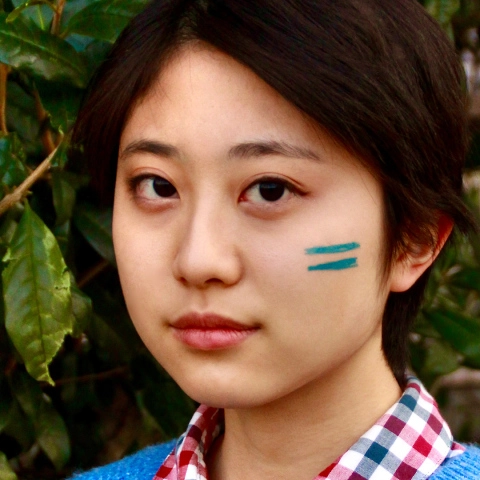
Ayumi, 17, from Japan is a grassroots activist, writer and debater on gender and socioeconomic justice.

Ayumi, 17, Japan

Seventeen-year-old Ayumi is a grassroots activist, writer and debater on gender and socioeconomic justice.
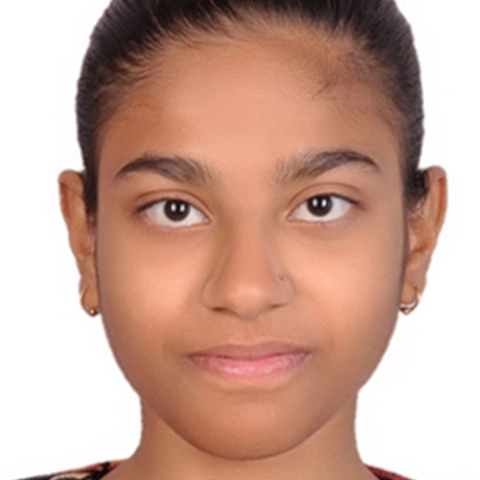
Sneha, 17, from India mobilises girls in her community and engages in high level discussions, as a powerful youth voice on harassment both online and offline.

Sneha, 17, India

Seventeen-year-old Sneha mobilises girls in her community and engages in high-level discussions as a powerful youth voice on harassment both online and offline.
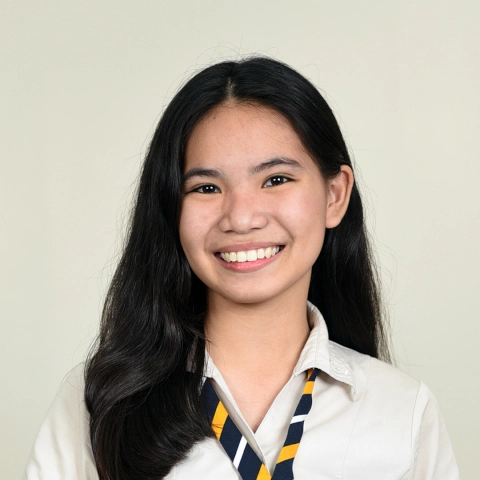
Dorothy, 18, from the Philippines is an active leader and advocate on many gender equality issues across the Sustainable Development Goals agenda including gender-based violence.

Dorothy, 18, Philippines

Dorothy is an active leader and advocate on many gender equality issues across the Sustainable Development Goals agenda, including gender-based violence.
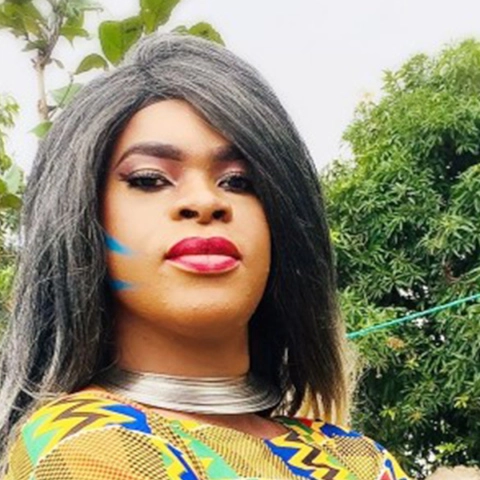
Sessi, 22, from Benin is a young transwoman and human rights defender focused on gender equality and LGBTIQA+ rights.

Sessi, 22, Benin

Sessi is a young trans woman and human rights defender focused on gender equality and LGBTIQA+ rights.
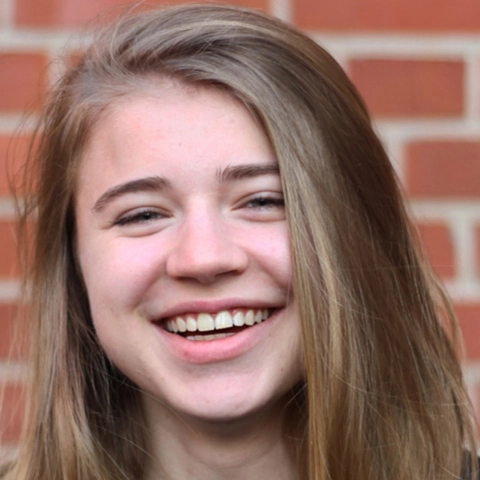
Kim, 21, from Germany is a powerful global change-maker on girls’ rights, gender-based violence, gender stereotyping and equal opportunities.

Kim, 21, Germany

Kim is a powerful global change-maker on girls’ rights, gender-based violence, gender stereotyping and equal opportunities.
Sandra, 15, from the USA is an advocate for gender equality and social justice. She leads a youth-led international organisation with a mission to inspire, educate and empower girls around the world.

Sandra, 16, USA

Fifteen-year-old Sandra is an advocate for gender equality and social justice. She leads a youth-led international organisation with a mission to inspire, educate and empower girls around the world.
This diverse group of 15 change-makers, activists and advocates are bringing together their collective expertise and experience, and crowd-sourcing the views of hundreds of girls in their networks.

Laura, 17, Spain

Laura is a passionate activist, mobilising girls and local and national power-holders to defend girls’ rights online, so everyone can be online without fear.
Eva, 18, from the UK is a vocal intersectional feminist, striving for inclusion in her activism and providing a platform for marginalised voices within the movement.

Eva, 18, UK

Eva is a vocal intersectional feminist, striving for inclusion in her activism and providing a platform for marginalised voices within the movement.
Ester works with Minas Program in Brazil, challenging race and gender stereotypes in STEM, and teaching girls to code.

Ester, Minas Program, Brazil

Ester works with Minas Program in Brazil, challenging race and gender stereotypes in science, technology, engineering and mathematics (STEM), and teaching girls to code. She is also a researcher on the impact of the internet on democracy, digital literacy, inequalities in access and online hate speech.
Shatha is a feminist political activist, digital security trainer and group facilitator in sexuality and gender, working with 7Amleh in Palestine, an organisation working to protect the human rights of Palestinians in online spaces.

Shatha, 7Amleh, Palestine

Shatha is a feminist political activist, digital security trainer and group facilitator in sexuality and gender, working with 7Amleh in Palestine, an organisation working to protect the human rights of Palestinians in online spaces.
Garnett works with Policy across Uganda, Kenya and Rwanda, conducting research to make the internet safer for women and girls.

Garnett, Policy, Kenya

Garnett works with Pollicy across Uganda, Kenya and Rwanda, conducting research to make the internet safer for women and girls. She has researched many issues including how online gender-based violence affects women’s participation on Twitter.
cSeyi is the Founder and Executive Director of Glitch, a UK-based charity dedicated to ending online abuse and championing digital citizenship.

Seyi, Glitch, UK

Seyi is the Founder and Executive Director of Glitch, a UK-based charity dedicated to ending online abuse and championing digital citizenship. Seyi uses her lived experience and valued expertise to develop practical solutions with power-holders, and to advocate for change.
Audace is a Technology Safety Specialist at the National Network to End Domestic Violence, based in the USA.

Audance, Nnedv, USA

Audace is a Technology Safety Specialist at the National Network to End Domestic Violence, based in the USA. She is specifically focused on the intersection between violence and technology and is passionate about community and youth empowerment. She has over a decade of experience working with survivors.

“The whole experience of the Girls Get Equal listening sessions left me feeling very hopeful. Despite the hurdles we’re facing, we really can create change.”
– Ayumi, 17, Japan


“What I really valued most about the listening sessions is that we go to work together with Instagram, WhatsApp and Facebook as equal partners, challenging gender norms online and creating a new vision of freedom online together.
– Kim, 21, Germany


‘‘It ceases to be a far-fetched dream and now it’s really happening. More can be done, but as long as we’ve already set pace then we’ll get there.”
– Stephany, 20, Kenya
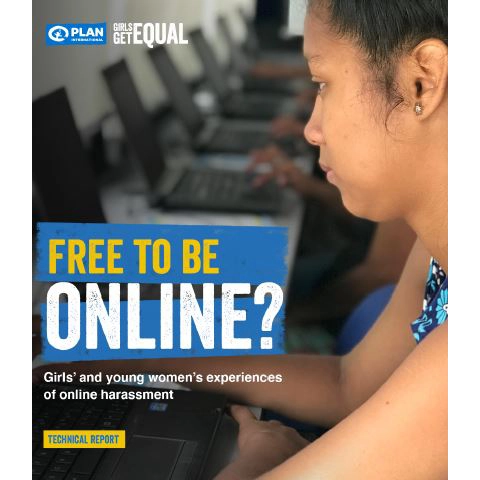
The Research

For this report we spoke to 14,000 girls across 32 countries around the world about their experiences online. This is the largest ever survey of its type. We learnt that more than half have been harassed and abused on social media.

In all 32 countries, girls had been exposed to explicit messages, pornographic photos, cyberstalking and other distressing forms of abuse.

Most commonly girls were targeted with abusive and insulting language, reported by more than half (59%) of girls, followed by deliberate embarrassment (41%), body shaming and threats of sexual violence (both 39%).

The social media platforms designed to connect us as a global community, are drastically failing girls and young women. Inadequate reporting mechanisms are allowing harmful abuse slip through the cracks.
Girls in all of their diversity, need to know that when they’re abused and threatened online, they can report it. That they’ll be listened to. That action will be taken, and that perpetrators will be held accountable.

Support girls and women worldwide