Improving nutrition and child and maternal health in rural Laos.

I always bring my son here for his health check-ups and vaccinations. The doctors are friendly and I follow their advice on nutrition and childcare. I’m sure I will have my antenatal care and give birth to my next baby here.
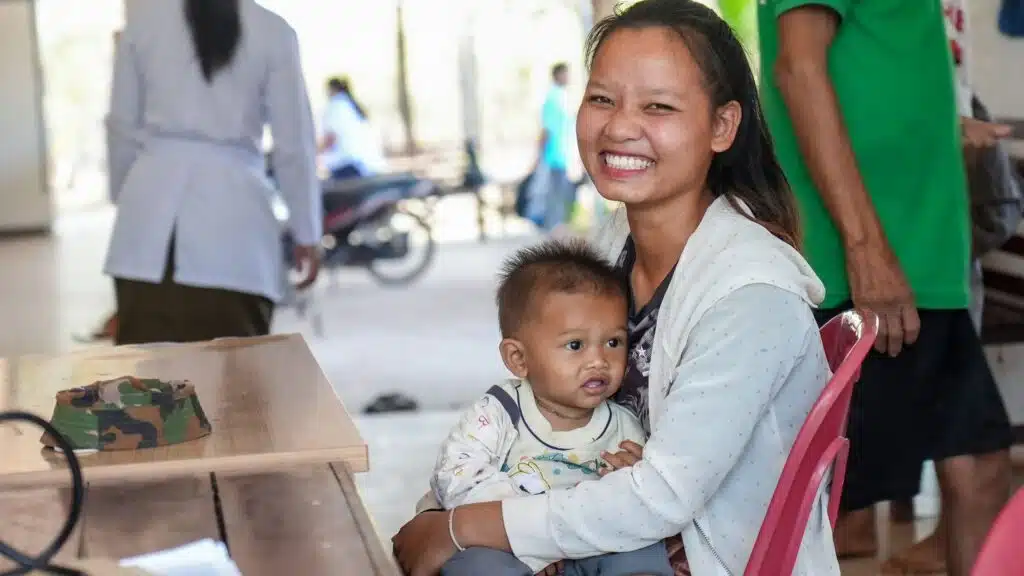
Khamkeo and her son at the local Health Centre. Image: Plan International

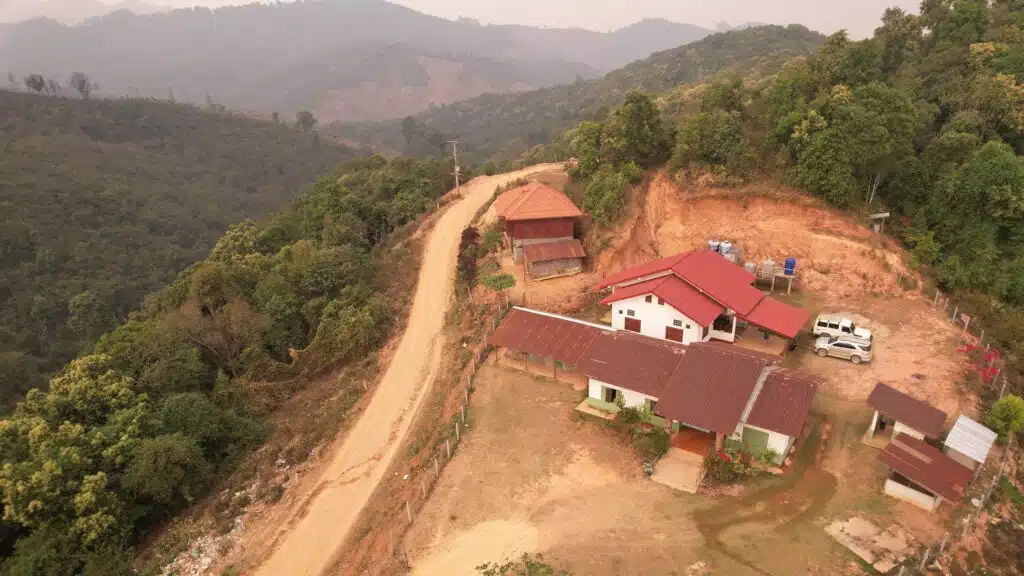
20-year-old Khamkeo lives the hilly and remote province of Sarvan in Southern Laos. Last year, she safely gave birth at the local health centre in her village. For years, due to the condition of the centre, families who could afford it chose to travel to the provincial hospital instead, despite the long journey. Others chose to give birth at home, often without a skilled birth attendant present, putting both mother and baby at risk.
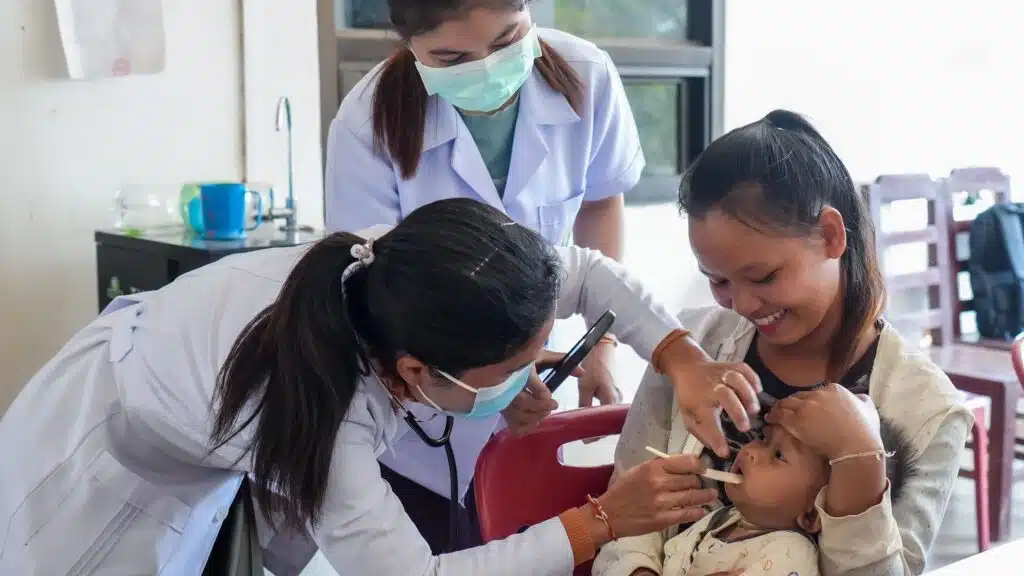
Recognising these challenges, and through a partnership with the Saravan District Health Office, Plan International embarked on an overhaul of the health centre in Khamko’s village.

The work was part of the WASH Integrated Nutrition (WIN) project, an Australian Aid supported project in Laos PDR that has just wound up after 9 years. WIN was started as a response to the high rates of under-nutrition in Laos, the highest in SE Asia. Approximately 44% of children under five demonstrate moderate to severe under-nutrition, or stunting.

A core aspect of the WIN project was CLTS sessions, or Community-Led Total Sanitation. CLTS aims to engage communities on infant and young child feeding, nutrition and hygiene practices, community wide water, sanitation and hygiene best practice, and menstrual hygiene management.

For the life of the project, this has led to nearly 170 communities across 2 provinces declared Open Defecation Free. And the entire district of Saravan being declared Open Defecation Free in 2024, a huge achievement.
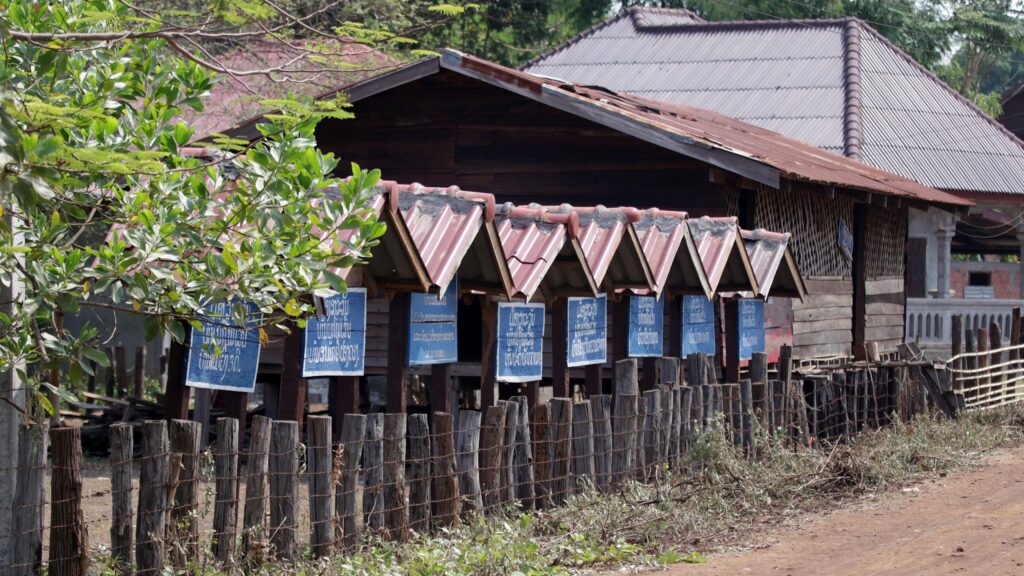
Plaques that certify Open Defecation Free status at the entrance to a village. Image: Plan International.

65-year-old father Vene took part in CLTS sessions in his village, after which he decided to invest in building two toilets at his home to accommodate all his children. This has been transformational for his disabled daughter Bene.

I am so happy that Bene and her siblings now have easy access to the latrines, especially Bene, who can help herself whenever she needs to go to the toilet. I no longer have to worry about her safety and privacy.

The health implications for newborns, their mothers, and the entire community is obvious. Over 30,000 people in 74 communities now have access to basic sanitation, are washing their hands with soap and are treating and storing drinking water safely.

And at last count, the malnutrition level of children below two-years-old in project areas in Saravan Province has decreased by 8.40%. This indicates a combination of exclusive breastfeeding practice, better dietary standards, and improved hygiene practices at a village level.

The integration of CLTS sessions with strengthening health services and improving nutrition for mothers and babies is what has elevated the success of WIN. This innovative and integrated water, sanitation and hygiene and maternal health model has been actively adopted by other NGOs in the area and promoted within the national government of Laos PDR.

For Khamkeo and other young families in Laos, the legacy of the WIN project is access to safer, high quality health care closer to their home and healthier children and communities.

She was suprised at hyow much the facility had changed.

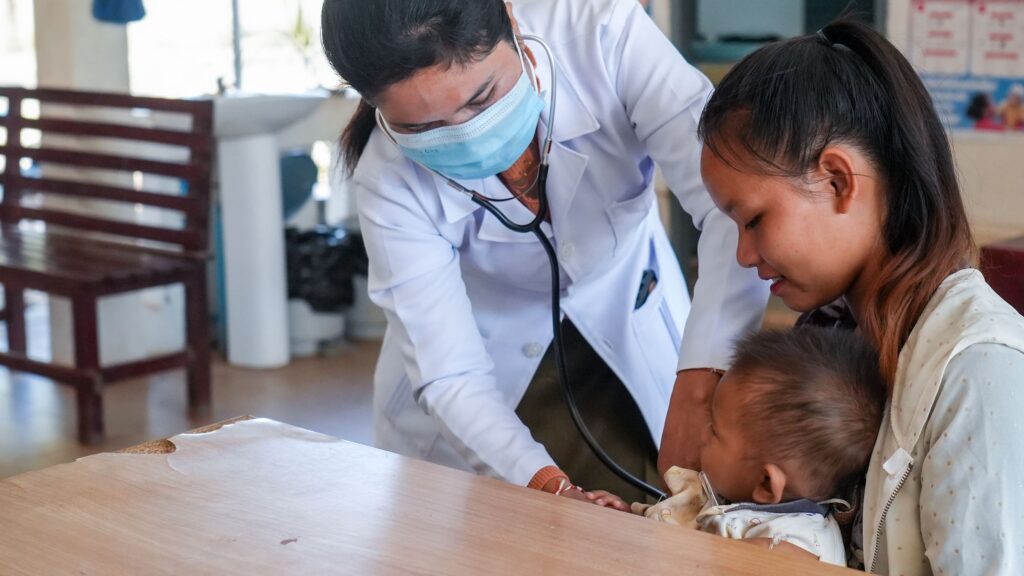
As my pregnancy progressed and travelling by motorbike became too difficult, I decided to visit the new health centre, I was amazed at how clean it was, the new equipment and the kindness of the health staff.

The WASH Integrated Nutrition project was supported by the Australian Government through the Australian NGO Cooperation Program (ANCP).

Safe from hunger in the world’s largest refugee camp

Yasmin lives in the world’s largest refugee camp in Cox’s Bazar with her husband and three young children. She fled Myanmar after violence forced her family to leave their home. It took seven days of walking to reach safety in Bangladesh and like many families, they arrived with nothing and began rebuilding their lives in the camps after experiencing loss, fear and trauma.

After her marriage to her husband, her family struggled with severe food insecurity. Her husband was injured in a road accident and could no longer work, the family was left without a reliable source of income.

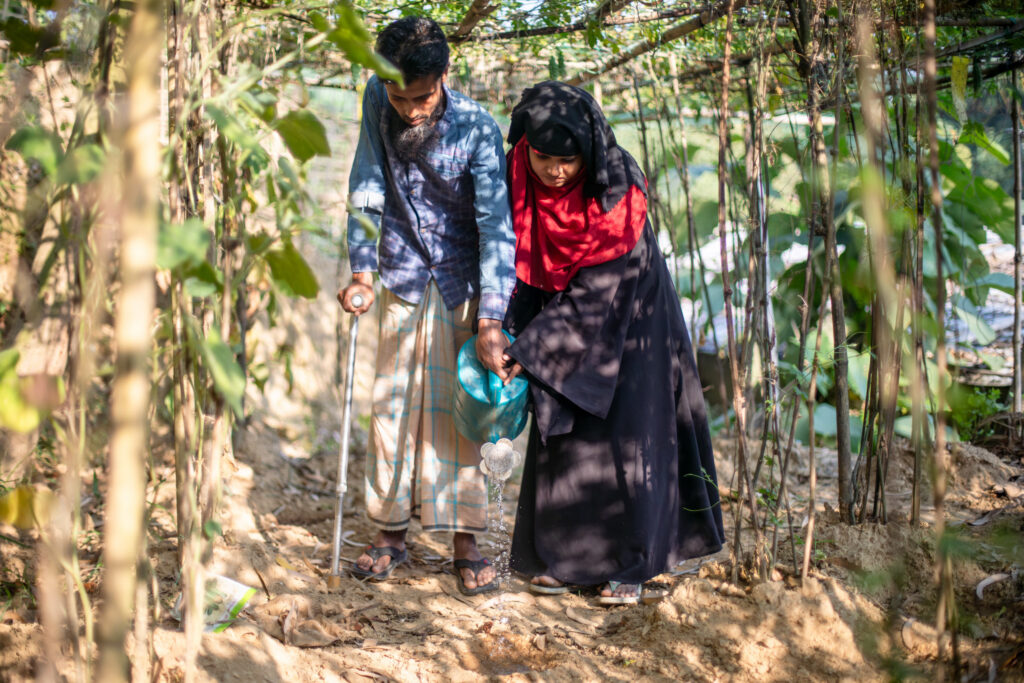
Yasmin and her husband in their garden. Image: Plan International

With limited food assistance and no steady earnings, Yasmin often worried about how she would feed her children. Some days, providing even one full meal was a challenge, and her children were frequently unwell.

Yasmin’s situation began to change when her family was identified as food insecure during a community assessment supported by Plan International. She shared her wish to grow vegetables so she could feed her children and earn a small income. She was selected to take part in a kitchen gardening programme and received training, seeds and basic supplies to start growing food close to her shelter.

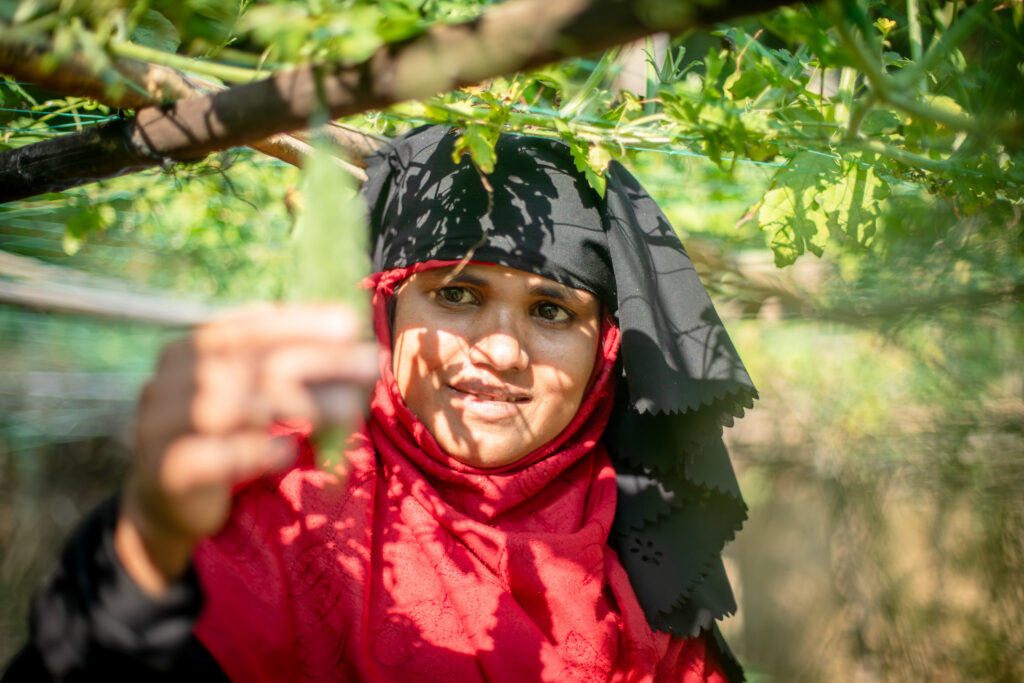
Yasmin began cultivating vegetables and gradually expanded her garden. The produce now helps feed her family every day, and selling surplus vegetables provides extra income. Yasmin says the garden has reduced her stress, improved her children’s health, and allowed her to support their education. Today, she also shares what she has learned with neighbours, encouraging other families to grow food and improve their own food security.

Food insecurity remains one of the most pressing challenges facing Rohingya families in Cox’s Bazar. Years of displacement, restrictions on employment and reduced food assistance mean many households struggle to meet their basic needs. For families with members unable to work in the camps due to illness or injury, the risk of hunger is especially high.

Plan International Bangladesh has been working in Cox’s Bazar since 2017 to support families affected by displacement. Through food security and livelihoods programmes, including kitchen gardening initiatives, Plan and its local partner Friends in Village Development Bangladesh (FIVDB) help families grow nutritious food in small spaces using suitable vegentables.

The kitchen gardening programme provides practical training, seeds and basic tools and equipment, enabling families to grow vegetables for their own consumption and sell any surplus for a source of income. These small gardens help ease pressure on household food supplies, improve nutrition for children, and give families a greater sense of control and dignity.

In the camps, pressures on families are increasing as global funding reduces. As monthly food rations have been cut, initiatives like kitchen gardens have become vital. They help families cope with ongoing uncertainty while building resilience and supporting children’s health and wellbeing in the camps.

Your support can help more refugee women and girls start to build a better future. A future that's built on safety.

Plan International’s Cox’s Bazar resposnse is supported by the Australian Government through the Australian Humanitarian Partnership.

Voices from Lebanon

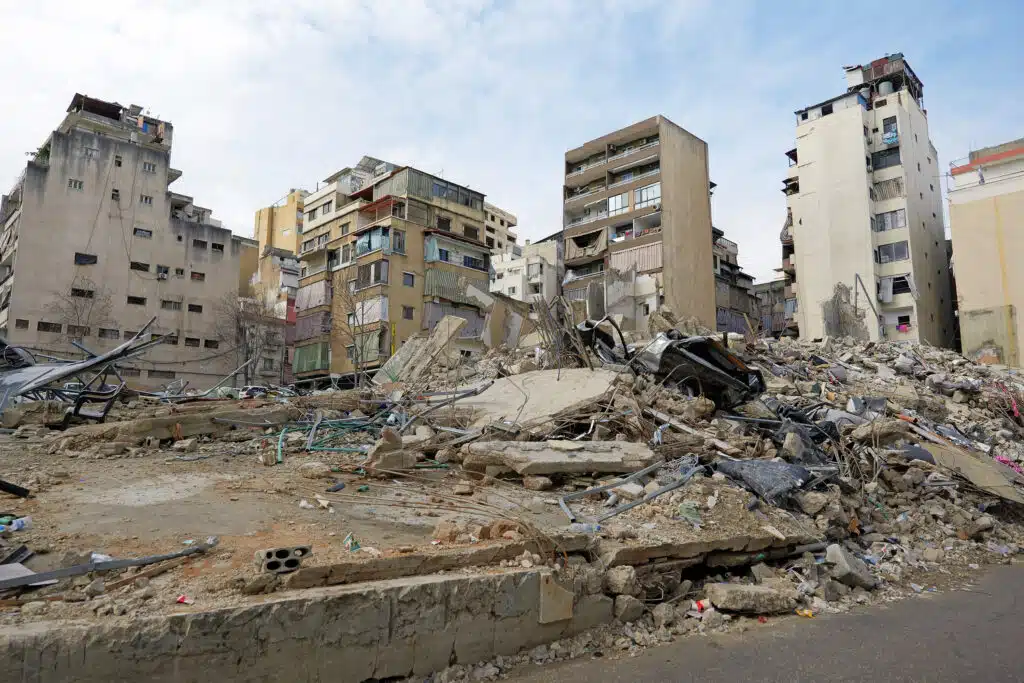
The escalating hostilities in Lebanon is driving new humanitarian needs within the country as more than a million people have been forced from their homes. Schools have been closed and shelters are overwhelmed.

Plan International is supporting urgent humanitarian efforts in Lebanon. Our response focuses on meeting urgent needs for food, water, hygiene, shelter, and protection, with a particular emphasis on supporting women, girls and the most vulnerable households. The organisation is working in coordination with local authorities, UN agencies and humanitarian partners to ensure assistance reaches those most affected.

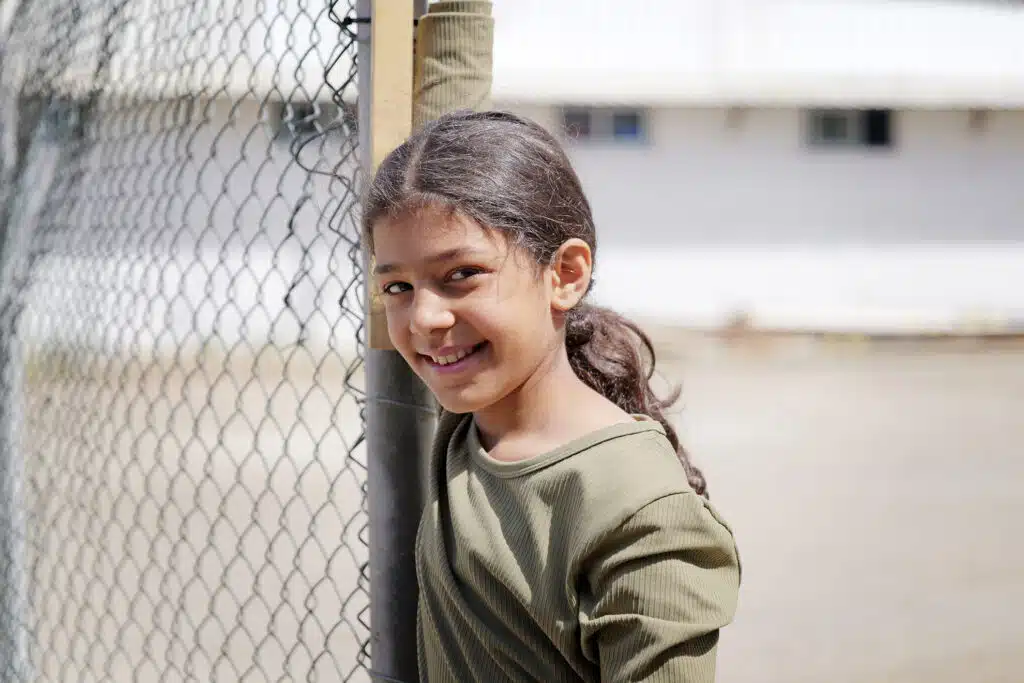
Across Lebanon, families forced from their homes are living through uncertainty, fear, and loss. Yet within the crowded shelters where thousands now seek safety, moments of humanity continue to shine through. Children find fragments of their childhood to hold on to. Mothers carry the weight of survival with remarkable strength. Teenagers dream of futures that feel painfully far away but still possible.

These are the voices of girls, boys, women, and families whose lives changed overnight, but whose resilience speaks louder than the conflict around them.

Amal

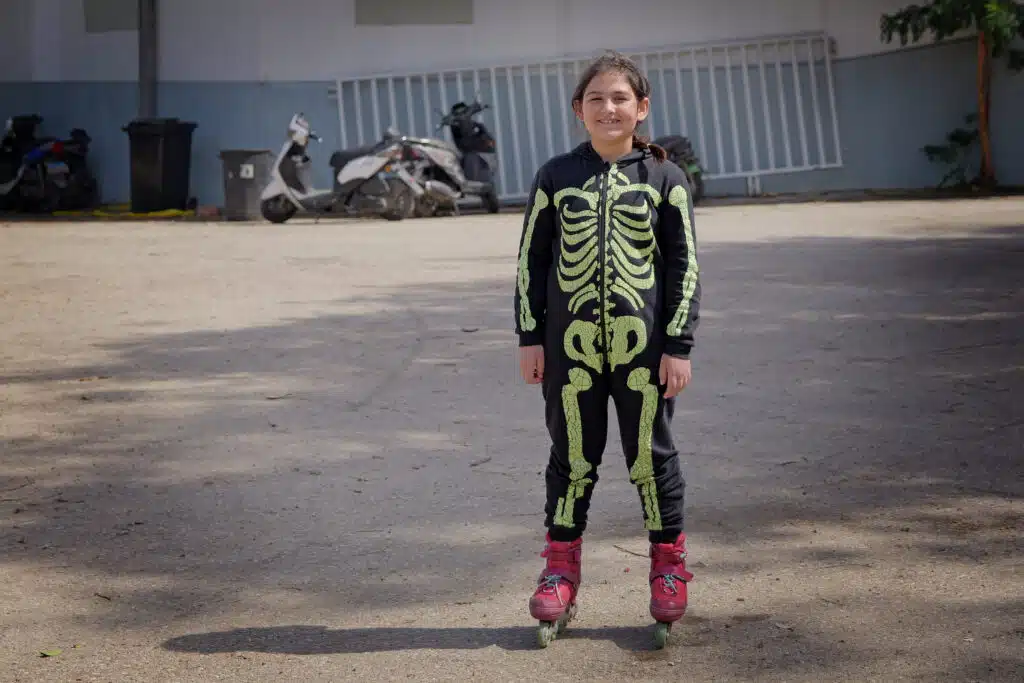
11-year-old Amal arrived at the shelter carrying something small but deeply meaningful: her roller skates. In a place overflowing with noise and uncertainty, skating gives her a moment that feels like her own. As she glides, the air brushing past her face, she feels free – as if the weight of displacement momentarily lifts.

But when she slows down, reality returns. “I wish I could keep going on my roller skates… all the way back home. But I don’t even know if my home is still there.”

Her skates are no longer just a hobby; they are her escape, and the last piece of childhood she still feels she can control.

Laila

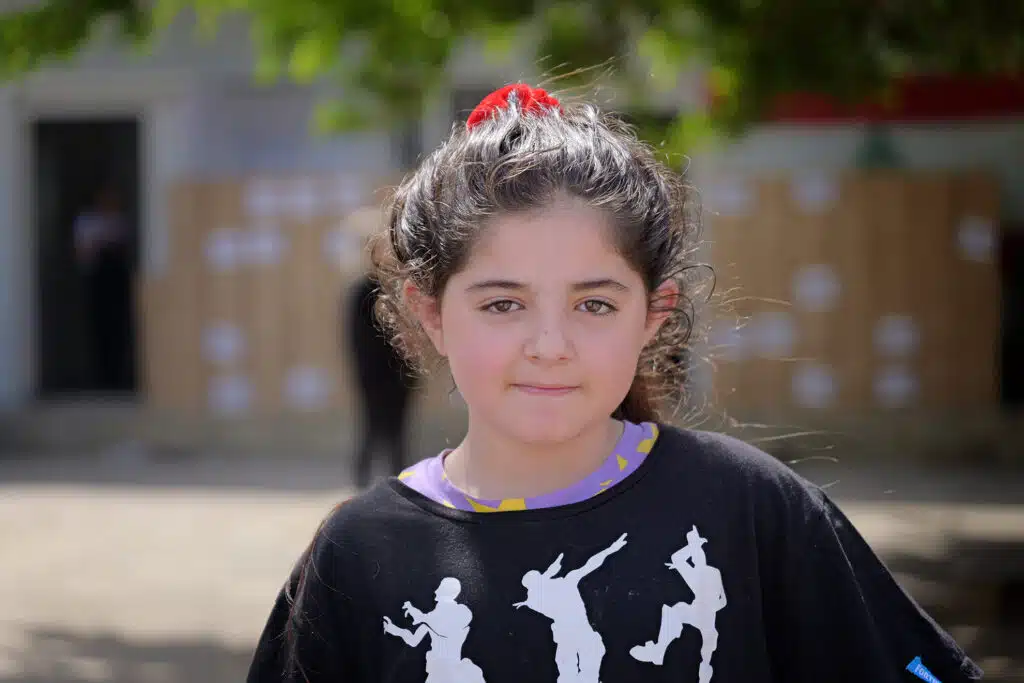
Laila, 8, loved going to school. Each morning she chose her favourite outfit, usually her pink t-shirt that made her feel excited for the day. But when her family fled their home, there was no time to pack, not even her beloved shirt.

In the shelter, she still wonders if it’s waiting for her back home, neatly folded in her room.

What you notice first about Laila, however, isn’t her loss, it’s her bright smile. “Take a picture of me,” she insists, standing proudly. She wants her story to be told.

Hani & Youssef

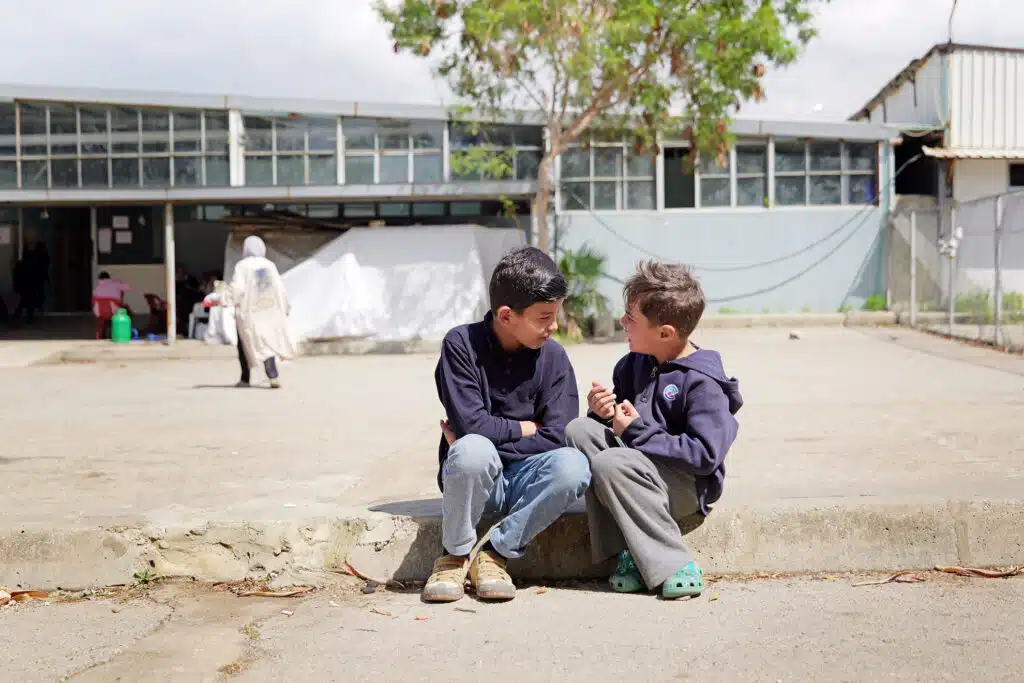
Hani, 9, and Youssef, 6, met in the shelter. Despite their age difference, they quickly became inseparable. In a space with little room to play and nothing familiar around them, the two boys create their own moments of joy.

They laugh, joke, and share stories as if they’ve known each other forever. “When I return home,” Youssef says, “I want Hani to come with me.” In the middle of displacement, their friendship has become the one steady thing they can rely on.

Amani

8-year-old Amani always imagined Beirut as a place full of opportunity, somewhere she hoped to live one day. Now she is in Beirut, but not in the way she dreamed. She is living in an IDP shelter, far from the sense of possibility she once associated with the city. “I wanted to come live in Beirut… but not in a shelter,” she says quietly.

Still, Amani looks forward. Watching the Plan International team working around her, she says: “One day, I want to grow up and become like you… and help people like us.”

Mariam & Jad

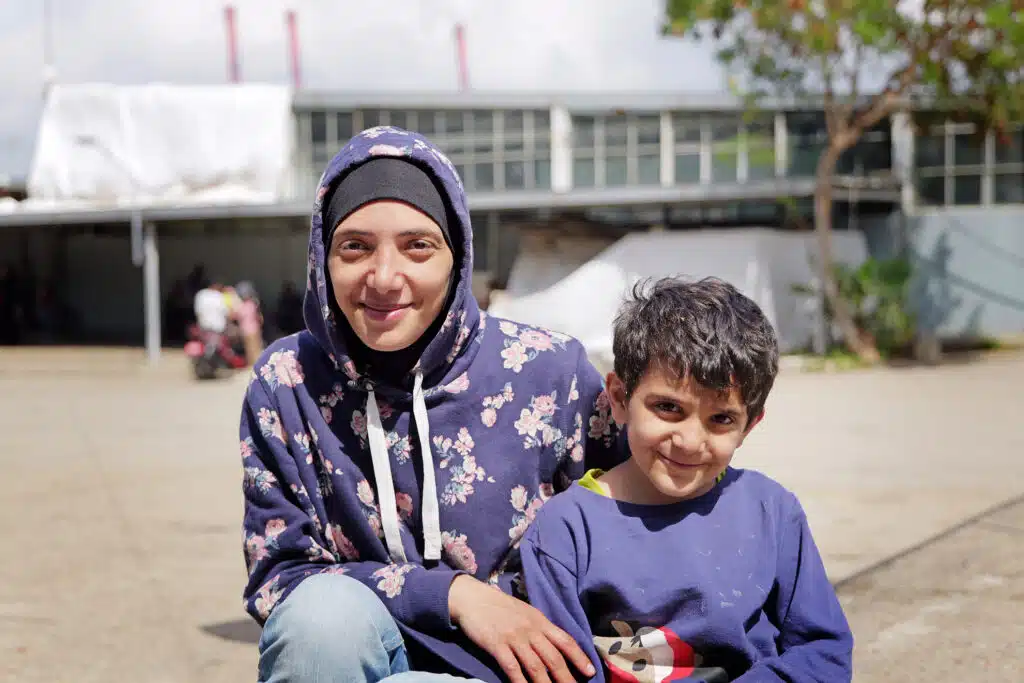
Mariam, 35, a mother of three, carries the heavy burden of displacement while caring for her youngest son, Jad, 5, who has autism. Before the crisis, he was attending a specialised centre and slowly making progress. With structure and support, he was beginning to adapt.

When they fled their home, those routines disappeared. In the shelter, Jad struggles with unfamiliar surroundings. He prefers to walk barefoot, finding comfort in what he knows. Her other children ask why they had to leave, and when life will return to normal. Her husband has lost his job. Yet every time Mariam speaks, she smiles, a quiet strength holding her family together.

Karim

8-year-old Karim is curious, imaginative, and always exploring. At the shelter, he found a small tree that quickly became “his place”. Climbing it gives him a different view, not just of the space, but of possibility.

From the top, he says he can “see a lot”. Each climb becomes a new adventure in his mind. It’s how he transforms an unfamiliar, crowded environment into a landscape for play, imagination, and freedom.

Jihan

Jihan, 65, fled her village in South Lebanon with only what she could carry, fainting twice along the way under the weight of shock and grief. She never wanted to leave the home she built with her husband, a home filled with years of effort and love.

But her greatest heartbreak is her garden. She planted it tree by tree, season after season. It was her peace, her sanctuary. “My house is not just a house… it’s my whole life. And my garden… that’s where my heart is.”

All Images: Plan International / Hasan Noureddine

Supporting Girls to Heal

15th April 2026 marked three years since the start of Sudan’s devastating conflict, and the resulting displacement crisis effecting the entire region. 11.6 million people have been displaced. More than 4 million, mostly women and children, have fled to neighbouring countries including Chad, South Sudan, Ethiopia, Egypt and the Central African Republic.

In Chad there are approximately 1 million refugees, with more still crossing the border when they can. While some camps in Chad are well established, they remain unsafe at night due to limited lighting, restricted access to shared latrines, and rising tensions due to overcrowding. And now with pressure on aid budgets around the world, residents of these camps are reporting reduced food assistance and limits on critical child protection and education services. This heightens the risks of child exploitation, family separation and child marriage and also limits children’s access to safe learning spaces.

22-year-old Azraa was in her final semester of medical school in Sudan, when the conflict forced her to flee with her elderly grandparents. The journey to Chad was terrifying, and she arrived unsure whether her mother and younger brother had survived. Though they were reunited months later, her older brother remains missing.

Three years on Azraa now works in a child‑friendly space in the camp, established by Plan International and our local partners, supporting children and adolescent girls. She helps new arrivals (children and adolescent girls) who often arrive distressed and anxious. Through play, art, and song, she offers a sense of safety and healing. She also encourages them to attend schools in the camp, understanding that education is essential to rebuilding their future.

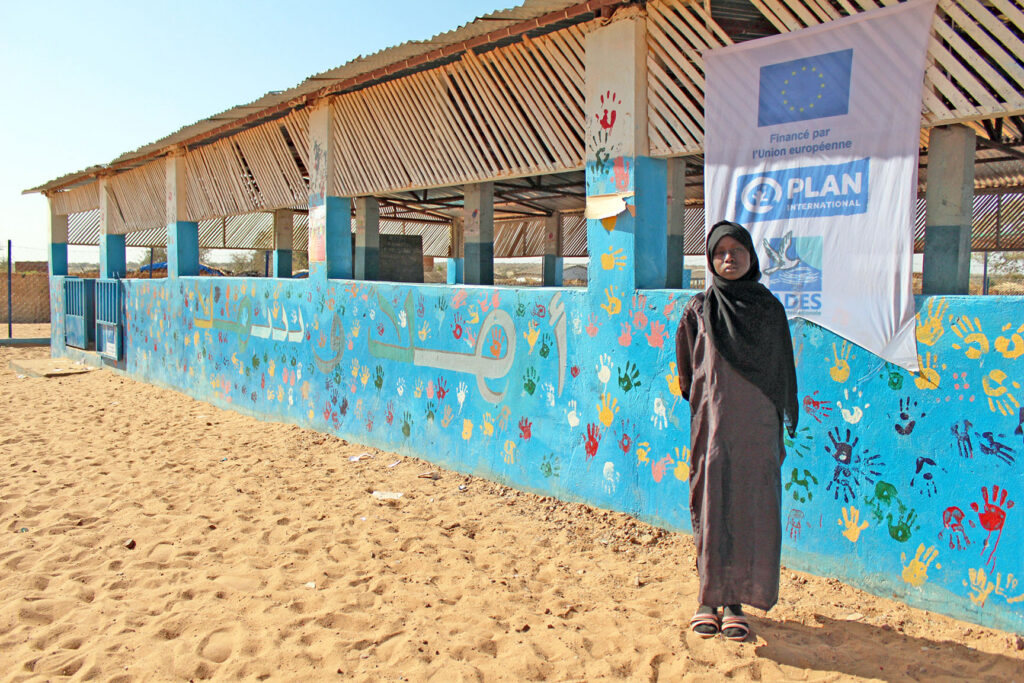
14-year-old Kosrs infront of a Plan Child Friendly Space in a refugee camp in Chad. Image: Plan International / Robin Knowles

“Here we play with the children; we speak with them and try to reassure them not to be afraid, and we encourage them to study here in the schools in the camp. They don’t want to go to school when they first arrive… they are thinking about Sudan and worry if the schools are good, but we tell them to start studying, because education is education – it does not matter if it is here in Chad or there, back in Sudan. I tell them if we want to return back to Sudan in the future, we should learn here today.”

Having seen the needs of her community,  Azraa has channeled her thwarted medical ambitions into a different kind of healing – as a supervisor for the child protection mobile team in the camp. Her dream remains as clear as it was before the war: she wants to return to the halls of a hospital and finally complete the medical degree that was so abruptly taken from her. Until she can return to her studies, she pours her dreams into the children she serves ensuring that the next generation of Sudanese youth and leaders are cared for and protected.


Main image: Plan International / Armstrong Too

Visible Wars, Invisible Scars

Caring for young minds must be a priority in war.

Dr Unni Krishnan

Global Humanitarian Director, Plan International

"Every night we wonder if we will wake up tomorrow."

I will never forget the words spoken to me by Abdul*, a 16-year-old boy in the war-torn city of Mazar-e-Sharif, Afghanistan, several years ago.

Today, his sentiment resonates for hundreds of thousands of children across Iran and the wider Middle East. In just two weeks of brutal violence, many lives have been lost, including schoolgirls in Iran. Children and families throughout the Middle East now live under the constant shadow of anxiety, fear and uncertainty.

This is what war truly means. It is not about the strategies drawn up by generals in distant war rooms. It is the simple, terrifying question children carry each night: Will morning come?

Wars are visible. Their scars are not.

When we think of conflict, we imagine battlefields, shattered buildings and bloodshed. Yet the deepest impact often lies far beyond the frontlines— in the fragile minds of children and communities, and even among those who witness the suffering from afar.

One truth I have learned while working with children in war zones is this: everyone is affected by war, but not in the same way. Children and women are often the most vulnerable.

Battlefields are not the only places where wars are fought. Often, the deepest turmoil unfolds silently in the minds of children.

Childhood is often the first casualty of war.

How War Impacts Children’s Mental Health

At a temporary reception centre on the Ukraine–Romania border during the early days of the war in Ukraine, I met seven-year-old Anna*, a Ukrainian refugee child. Her mother told me that Anna had stopped talking after witnessing explosions in her hometown of Odessa.

The silence of a child can reflect deep trauma.

War may begin on battlefields, but its deepest effects travel much further — into classrooms, homes and memories.

During a humanitarian mission to Adré, the border town between Chad and Sudan, I met Sudanese refugee children who were exhausted, hungry and dehydrated. They had spent months fleeing bombing zones, unsure whether their families would survive. They too wondered if they would live to see another day. For children living inside war zones, the experience is relentless. Children in Gaza once told me that the constant buzzing of drones was the main reason they could not sleep. In Syria, shelling kept children awake through the night for months. Sleep, safety and routine — the foundations of childhood — slowly disappear.

Some of the deepest wounds are carried by girls and women. During a humanitarian mission to the Democratic Republic of the Congo, girls and women told me about the devastating impact of rape and sexual violence used as a weapon of war. The small women’s cooperative they hadformed helped restore confidence and dignity — two essential ingredients for emotional recovery. Sphere Handbook, the reference guide for every humanitarian worker, places dignity as a fundamental building block of emergency relief efforts.

War’s psychological scars often surface years later. Young people I met in Rwanda said they had witnessed extreme forms of violence as children. For years they believed they had forgotten it. But during adolescence, memories resurfaced through conversations in their communities.

In Afghanistan, once one of the most heavily land-mined countries in the world, many children have lost limbs. For them, the fear of war carried another layer of terror. When bombing begins, they know they cannot run as fast as others.

These children were some of the most inspiring I have come across in my life while working in war torn areas- they had even formed a local football team of landmine survivors. Some of them taught me how to fly kites and explained the spirit behind them- that is they raise against the winds.

Caring for the mind must start from day one. Left unattended, childhood trauma in war does not fade—shaping lives, communities, and the prospects for peace.

Playgrounds, schools, learning, art, theatre and recreational activities are key to healing.

War Beyond Witnessing: The Burden of Listening

In today’s interconnected world, the psychological impact of war travels even further, beyond battlefields — through phones, social media and relentless news cycles. Images of bombings, injured children and grieving families reach millions of screens within seconds. A conflict thousands of kilometres away suddenly feels personal. Someone knows someone who lives there. Or the images themselves remain etched on our minds.

For many young people, this exposure ignites a powerful sense of injustice. Across the world we have seen them protest, organise and raise their voices for peace. Young people mobilise quickly when they see injustice. But when they feel powerless to stop the violence, that helplessness can slowly turn into anxiety, anger or emotional exhaustion.

Then there are those who carry the burden of listening. Relief workers, teachers, aid workers, journalists and photographers often absorb the emotional weight of the stories they hear from survivors. They may not stand on the battlefield, yet they encounter war through testimonies of loss, fear and survival.

A haunting example often cited is the story of photojournalist Kevin Carter. In 1993, he captured the now-famous image of a vulture stalking a starving child during the famine in Sudan. The photograph shocked the world and drew global attention to the crisis. But it also brought intense criticism about whether he should have helped the child instead of documenting the moment. The weight of witnessing suffering, combined with public scrutiny, took a profound toll on his mental health. He would eventually die by suicide.

War may fade from headlines, but its emotional echoes linger — in survivors, in witnesses and in those who listen.

Ending war is the first step toward healing. Until then, the quiet work of listening with compassion remains one of the most important forms of care. Listening and providing Psychological First Aid are the starting points. Scaling up humanitarian assistance is key to care for the wounded and alleviating suffering.

Caring for the Carers

We must not forget those who try to help. They are human beings first.

During the early months of the Rohingya refugee crisis in Bangladesh, many humanitarian workers spoke about the overwhelming impact of hearing countless stories of loss and brutality in such a short time. Listening to such suffering leaves its own wounds — what psychologists call vicarious trauma— the emotional toll of witnessing the suffering of others. Stories of suffering impact some listeners strongly.

Aid workers operate under immense pressure: responding to crises, meeting reporting demands and carrying the emotional weight of the communities they serve. Yet behind every humanitarian worker or project manager is an ordinary person living under extraordinary stress.

At the same time, local frontline staff — those from the affected communities themselves — are often the bravest. They stay when others evacuate. They serve their own neighbours while coping with the same fear and uncertainty.

Supporting them is essential to protecting our shared humanity. Often, the most humane response is simple empathy: recognising their courage and limits, easing pressures where possible and ensuring they are cared for too.

Visible wars may dominate the headlines, but it is the invisible scars that last the longest. And recognising those scars is the first step toward healing them, along with genuine efforts to stop wars.

*All names changed to protect identities.

The Human Toll of the War in Sudan

Three years of Sudan war: I saw children without school, safety or hope

By Arjimand Hussain, Regional Response Manager, Sudan crisis

As we crossed the busy Adre border from Chad into Darfur, Sudan, one of the first things I notice is children roaming around all over the place. Most of these children are displaced from their homes, seeking safety and some meaning to their lives.

We soon entered Al Junainah, the first Sudanese city, some 29 kms from the Adre border. While walking around, I got to speak with Risham and Omer, sister and brother, herding a flock of goats. They have not attended school for the last three years, they told me. When asked if they intend to go to school in the future, they avoided the question and walked away.

The Sudan civil war is about to mark the grim milestone of three years of untold suffering this April. The war has left the country in a state of devastation. Those who are bearing the brunt of lost homes, displacement and lost family protection are women and children.

Of the 4.3 million Sudanese refugees registered in neighbouring countries as of January 2026, a staggering 2.15 million are children, while women and girls constitute about 2.2 million of the Sudanese taking refuge outside their country. The number of those displaced internally within Sudan is even more heart rending – 3.6 million are children, most of whom are not attending school.

As we drove around Al Junainah, the scars of war were visible everywhere. Houses, walls and shops were riddled with bullet and explosion marks. At the peak of the fighting for the city, and its eventual fall in late 2023, Al Junainah witnessed mass atrocities against civilians, including children.

There is a semblance of life today in the city, but it shrouds more than it shows. The city is home to thousands of displaced people, including children whose ethnic background makes them vulnerable to repression and abuse. Some spoke to me on the condition their identity would not be revealed. They told me they make a living by trading beans and seasonal fruits across the border in Chad.

As night fell, Al Junainah turned pitch dark. The public electricity distribution system is defunct since 2023. Electric poles remain visible, but the dangling power lines across the city are a reminder of the collapse of governance. In the night we heard occasional gunfire. No one is able to tell where and why the shots are fired.

Between Al Junainah and Nertiti we crossed at least 18 checkpoints. On the way we saw signs of several latest drone strikes, both on checkpoints and civilian structures close to the road. Local markets are barely able to function. Supply trucks are under constant drone hit risk, while humanitarian convoys are barely immune. Near Nertiti, an armed drone came about 500 meters close to our convoy before it noticed the humanitarian markings of our cars and flew away.

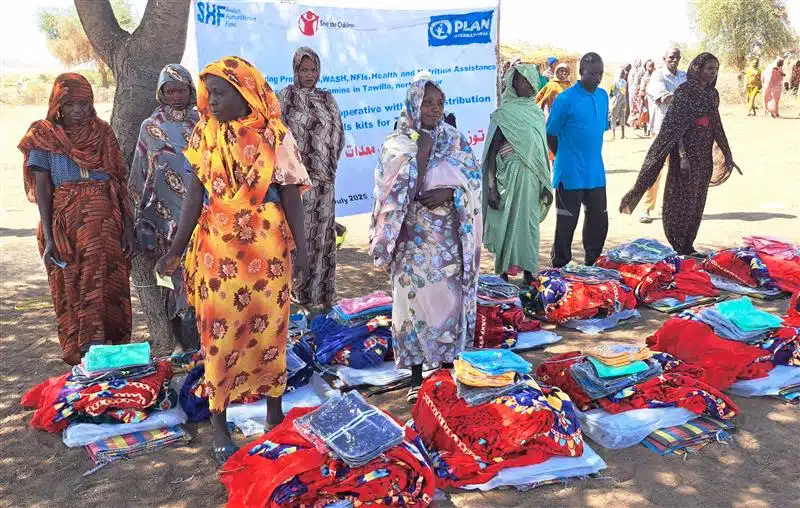
After hours of travel through the treacherous Jabel Marra mountains, we descended into Tawila. The first sight of the massive camps occupying the entire horizon is unsettling.

Terms like ‘humanitarian catastrophe’ and ‘dire humanitarian crisis’ might sound familiar cliches, but there are barely any other words to describe the living conditions of the displaced people in Darfur’s largest IDP camp in Tawila.

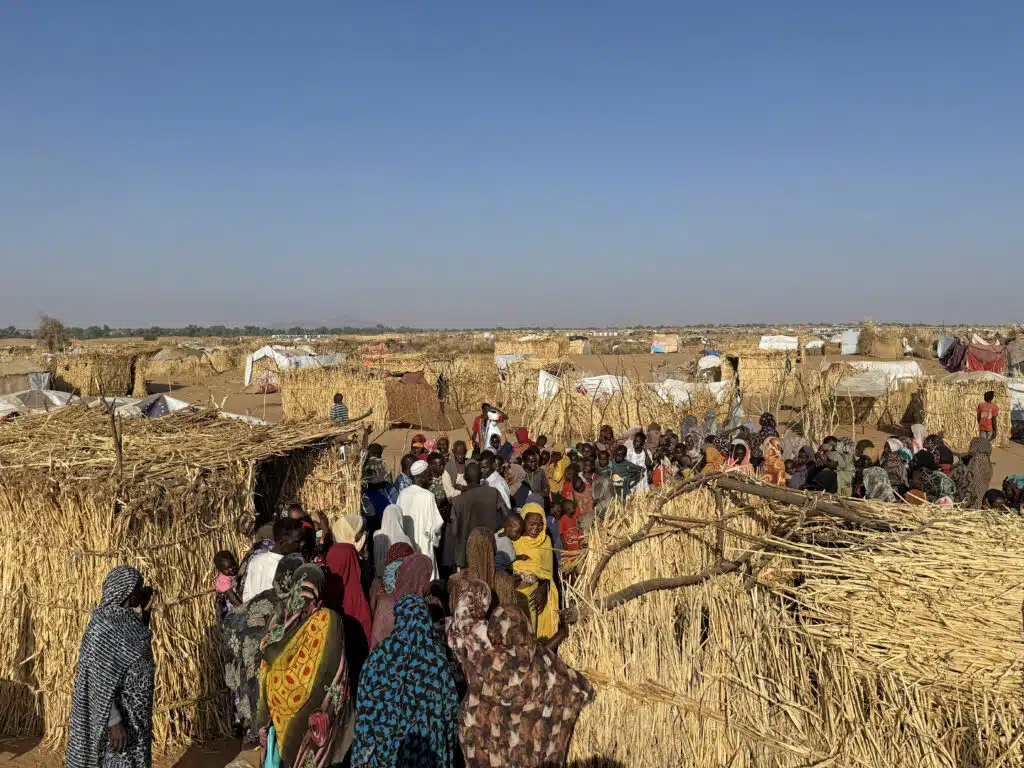
Tawila hosts about 800,000 people. It is a vast swathe of temporary shelters made of wooden sticks and grass. There is barely any water available. Hundreds and thousands of children are out of school, mostly killing time in unhygienic conditions around their shelters.

Toilets are very basic, used by hundreds of people at the same time. There is no running water anywhere. Even humanitarian buildings get water on donkey carts. Children’s sanitation and hygiene conditions are beyond words. A senior UN official told me we were witnessing a complete generation being lost in front of our eyes in Darfur.

At an aid distribution site in Khartoum Jadeed, some 25 kms south of Tawila, I talked to women and children who had come from El Fasher city after it fell in October 2025. I asked a group of about 16 women if they intend to go back. Almost all of them raised and waved their index fingers saying a big No. They are too scared to go back. I asked the same questions to a group of children, and the answers were the same.

There is a government school in the village, but it lies mostly in ruins. There are no teachers and no education aids. Teachers are scared to come. Children mostly spend their time feeding cattle around the vast swathe of empty land around their village.

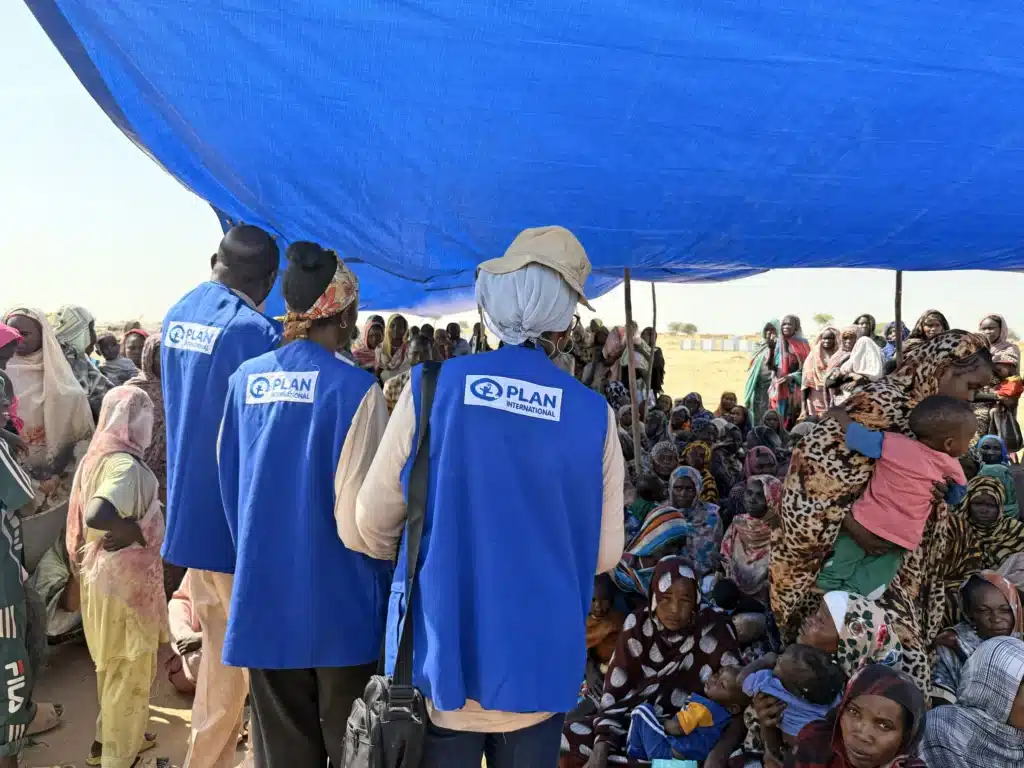
Since October 2025, Plan International has delivered 819 tons of life saving aid in Tawila IDP camps, mostly consisting of food supplies, sanitation, hygiene and basic shelter materials. At least 163,806 people have benefitted so far. Plan intends to send additional 270 tons before the rainy season this July. Senior Humanitarian Aid Commission officials told me that Plan, besides MSF and WFP, are the only agencies providing humanitarian aid at scale in Tawila. Without hygiene supplies for children, the situation would be far worse.

Yet funding for Sudan’s humanitarian response has dropped from USD 2.1 billion in 2024 to USD 0.4 billion in 2026 – an approximately 81% decrease over two years. In 2026, funding for gender-based violence victims is barely USD 1.6 million – just 0.4% of the total funded.

As the world remains preoccupied with multiple other global crises, the children and girls of Sudan cannot afford to remain a ‘forgotten crisis’. As funding dwindles and security worsens, there is every likelihood many more areas of Sudan would slide into famine conditions.

What I witnessed in Darfur during my recent mission is beyond words. For the international community, it is time to act to ensure the children and girls of Sudan do not face hunger and malnutrition. To ensure they are protected from the cruelty of this war. To ensure they get a chance to go back to school, and are not lost in the wilderness of the camps they have taken refuge in.

All you need to know about International Women’s Day

International Women’s Day is almost here!

It’s a day to acknowledge the incredible achievements of women and to shine a light on the progress yet to be made.

Over the last year, global aid cuts have disproportionately impacted – the services girls’ rely on to reduce child marriage, give birth safely, or heal after violence. In conflicts, girls are even more vulnerable to violence.

The girls of today will become the women of tomorrow and it is integral that their rights are protected, their voices are heard, and they are given the opportunities to continue their education and reach their full potential.

What is International Women’s Day?

International Women’s Day is celebrated on 8 March every year and is a focal point for the movement of women’s rights.

This day began as a protest movement in New York City over 100 years ago, when women garment workers took to the streets to demand fair working conditions. It was marked for the first time by more than one million people in Austria, Denmark, Germany and Switzerland. 

The day is about calling not only for better conditions for women, but an equal world that will benefit us all.

However, we’ve stopped talking about the continued inequalities women face, and started spending this day celebrating the progress they are making – the workplace policies achieved, and the high achieving women to be inspired by. 

This optimism matters, and has been hard-earned, but it’s only half of the story. We need to continue standing with those still fighting hard for their basic rights. 

Celebration without solidarity makes the assumption that equality is nearly won. 

Help the girls of tomorrow – join Change for Girls

For millions of girls, education is a lifeline – a connection to safety and survival.

Change for Girls supports our work in addressing the immediate needs of girls and their families, and the deep-rooted barriers to gender equality. Your regular donation can mean girls and young women around the world are free from violence and have choices for their futures.

Today, it is a global moment where people around the world – men, women, girls, boys and everyone in their diversities – come together and push for change and for a more equal world.

When girls are educated and supported, they can create incredible change.

  • 12 years of education for every girl would reduce child marriage worldwide by 64 per cent.
  • For every year a girl stays in school, her country’s climate resilience measurably improves.
  • 5 to 10% is how much infant mortality rates are reduced for every additional year of school that a girl completes.

From typhoon survivor to climate change leader

In the coastal municipality of Salcedo, Eastern Samar, Philippines, where the vast Pacific Ocean meets rugged islands, 24-year-old Aprille has turned personal tragedy into a powerful call for global action. Growing up as one of eight siblings in a modest family – her mother a housewife and her father a bus driver – Aprille’s life has been shaped by the relentless rhythm of typhoons. “As we live on an island, we are usually on the receiving end of typhoons,” she says.

From a young age, Aprille eagerly attended training sessions and workshops organised by Plan International. These weren’t just educational outings; they were gateways to understanding the looming threat that climate change poses to vulnerable coastal communities like hers. She learned about environmental protection, disaster risk reduction, and the rights of children and young people. Her siblings, curious about her activities, often joined her when they could.

My mother wants all her children to have opportunities. She knows we will learn things that can’t be taught in school. She always tells us that the knowledge and experience we gain will serve as our armour when we face the real world.

But knowledge alone couldn’t prepare her for the fury of Typhoon Yolanda, known internationally as Haiyan, which struck in November 2013. At just 13 years old, Aprille dismissed the warnings at first. “They said it was going to be a super typhoon – not just a typhoon – but we didn’t take it seriously,” she admits. “On the day it was due to make landfall, we were still playing around.”

When the storm intensified at around midnight, her family took shelter in a local day care centre. The winds howled like a “whistling monster”, shattering windows and flooding the room. Terrified, Aprille held her younger brother closely. “I was very scared. I was cold and shivering, but I had to carry my brother. I actually thought that this might be the end.”

During that chaotic night, regrets flooded her mind, but not for herself; she was worried about her family. “I wasn’t scared for myself, but I was thinking that if I died, my brother wouldn’t be able to play anymore. My other siblings wouldn’t be able to experience the things I experienced or learn the things I learnt because of the super typhoon.”

The storm’s devastation was total: homes were obliterated, infrastructure was in ruins and lives were forever altered. Aprille’s family home was destroyed, forcing them to cram into an overcrowded school for three months. “There were three families in one room,” she describes. “It wasn’t sanitary. It was also uncomfortable because there was nowhere to change our clothes, so we had to wait for others to finish using the restroom. We also washed outside the room or in the rain or in the ocean.”

Yolanda wasn’t an isolated event; typhoons are a recurring occurrence in Salcedo, a municipality of 41 barangays, many coastal and exposed to the Pacific’s wrath. Residents grapple with repeated destruction, making recovery a constant challenge. For Aprille, the experience was a wake-up call. “When Yolanda struck, we realised that what we had learnt during training and seminars was true. It’s not a joke. What we were told was really true.”

Emerging from the trauma, Aprille channelled her fear into action, determined to protect others, especially children, from experiencing similar horrors. In the storm’s aftermath, Aprille and five other young survivors founded the Caridad Active Movers for Progress (CAMP) in 2013. This youth-led group focuses on raising climate awareness and promoting sustainable behaviours in their community.

With support from Plan International’s Small Grant Initiative on Disaster Risk Reduction, CAMP has launched initiatives such as the Trash Bin Project, which teaches young people about waste management and partners with local officials. They organise coastal clean-ups, church events and youth celebrations such as Valentine’s Day carnivals and Christmas gatherings, combining entertainment with education.

Aprille’s leadership skills flourished further when she became a teacher, incorporating lessons on climate change and youth rights into her curriculum. Once shy at primary school, she is now a confident speaker, leading seminars and inspiring her peers.

My exposure to different societal issues from a young age, and learning how we can participate in and help our community, has ignited my passion to learn more about our rights and responsibilities as children and young people.

Today, Aprille’s message resonates beyond her island. She is urging global leaders, governments and corporations to take decisive action. “I want the rest of the world to take this seriously. I want government officials and people in big companies to take it seriously because it’s serious for us. You might not have experienced Typhoon Yolanda or another disaster, but for those affected by disasters caused by the climate crisis, it’s very serious.”

Looking ahead, Aprille hopes for a world where the climate emergency is prioritised, with more young people and women involved in decision-making. “I hope more women will be given positions of power where they can actually effect change,” she says. “I’d like to see women making the change themselves.”

Adolescent Girls in Crisis project recognised

In December 2025, Plan International staff from around the world came together to celebrate the inaugural Point of Impact Awards. These new global awards were created to recognise and celebrate the incredible work happening across Plan projects, shining a light on the impact we’re having in the communities we serve.

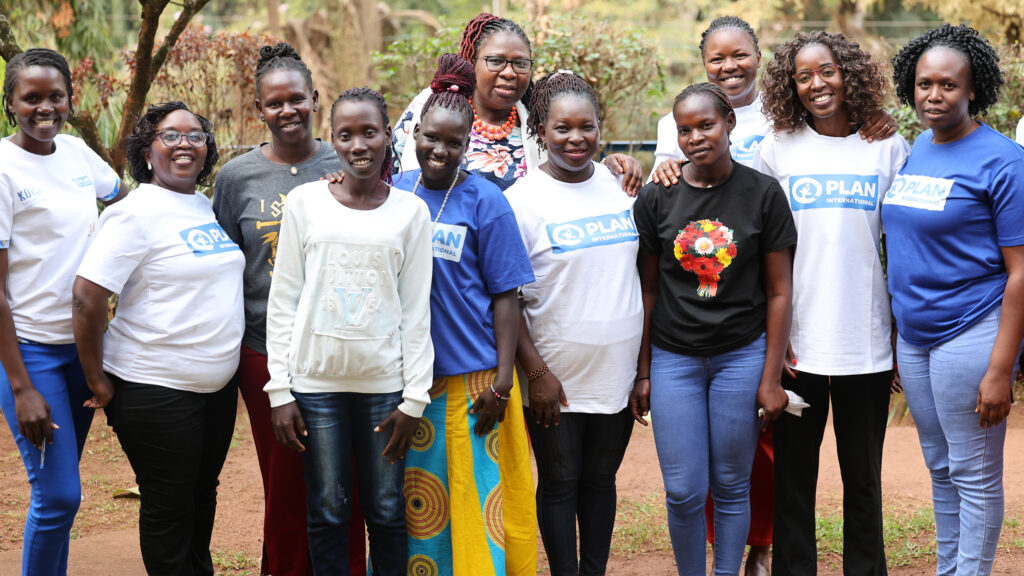
Gathered together for a ‘watch party’ in Uganda were Plan staff, girls and young women from the The Adolescent Girls in Crisis (AGiC 2.0) program, which had been nominated in the Humanitarian category of the awards. And up against strong competition from programs in Ukraine and Peru, the AGiC program was successful and took out the award!

You can watch the acceptance speech from Phoebe Kasoga, Plan Uganda’ Country Director, below:

The award is a testament to the impact of this project, which has recently started it’s second phase. As was noted by the judges:

In one of the most challenging humanitarian contexts, Uganda’s team elevated youth leadership as a cornerstone of effective response. The project empowered girls to lead crisis‑response strategies, influence community protection mechanisms, and champion long‑term resilience.

Adolescent Girls in Crisis (AGiC 2.0)

In Uganda’s Adjumani district, refugee girls face overlapping crises – displacement, food shortages, gender-based violence, and a lack of opportunities for education and livelihoods. The AGiC project ensures that adolescent girls and young mothers are not left behind. By combining safe spaces, positive parenting, livelihoods training, and advocacy platforms, this program helps girls gain the confidence, skills, and support networks to protect their rights and lead change in their communities.

The Adolescent Girls in Crisis (AGiC 2.0) is supported by the Australian Government through the Australian NGO Cooperation Program (ANCP) and with support from the Judith Neilson Foundation.

Sudan after 1,000 days of conflict: Stories that must be told

Nahid Ali, Communications Manager at Plan International Sudan, reports from Northern Sudan.

Since April 2023, many countries around the world have experienced positive changes, such as progress in development and recovery, and collective efforts to protect our planet for future generations. But in Sudan, the reality could not be more different. The security, health, environmental and education systems continue to deteriorate as a result of the ongoing conflict, which has now lasted nearly 1,000 days, moving from bad to worse.

As humanitarian workers, we continue to witness the suffering of communities trapped in besieged areas where we have extremely limited access to provide assistance. Aid convoys are frequently delayed, obstructed or even targeted, while unarmed and defenceless civilians are increasingly caught in the crossfire.

The highest price for this conflict is paid by women, especially girls, and children. Women’s bodies have become weapons of war, leaving them vulnerable to widespread sexual and physical violence. Many children arrive at displacement shelters alone, having been separated from their families during their long and dangerous journey.

During my most recent mission to Al-Aafad in Northern State, I met women and girls who had witnessed and survived severe sexual violence while fleeing El Fasher. They described seeing their families killed, their homes destroyed by shelling and their lives shattered overnight.

One woman told me how she had buried her children with her own hands in the yard of her home after they died of hunger. Another woman I spoke to does not know the fate of her missing husband and son. A young girl told me that her education had stopped when the conflict began and that she had lost her sense of safety after being sexually assaulted while trying to flee El Fasher. Another woman watched her sister die instantly in a shelling attack, leaving seven children behind.

These are not isolated stories. They are the daily reality for millions of people across Sudan. After nearly 1,000 days of conflict, the people of Sudan must not be forgotten by the rest of the world.

The scale of the suffering demands sustained international attention, action and accountability.

Protection training activity for women in Tawila in North Darfur. Image: Plan International

As a displaced Sudanese mother who has experienced first-hand the challenges of raising children in conflict, I urge the international community, governments, donors, the media and global civil society to take action.

  • Keep Sudan on the global political and humanitarian agendas.
  • Amplify the voices of Sudanese women, girls and communities whose stories are too often unheard.
  • Advocate for the protection of civilians, especially women and children, and for accountability for violations of international humanitarian law.
  • Ensure sustained and flexible humanitarian funding to enable life-saving assistance to reach those trapped in hard-to-reach and besieged areas.
  • Support access and safety for humanitarian workers so that they can deliver aid to those in need without obstruction or delay.

As humanitarian workers, after nearly 1,000 days of conflict, we continue to do everything we can to reach those in need quickly and safely as possible. The needs are overwhelming, resources are limited and funding continues to fall short, but our determination remains strong because giving up is not an option.

Will you make a vital donation to assist children and families whose lives are at risk?

With your support we can continue helping children and families fleeing violence. You can help by:

  • providing urgent nutrition support for malnourished children,
  • distributing life-saving food to starving children and families,
  • providing emergency cash assistance to families.

The Price of Dreams

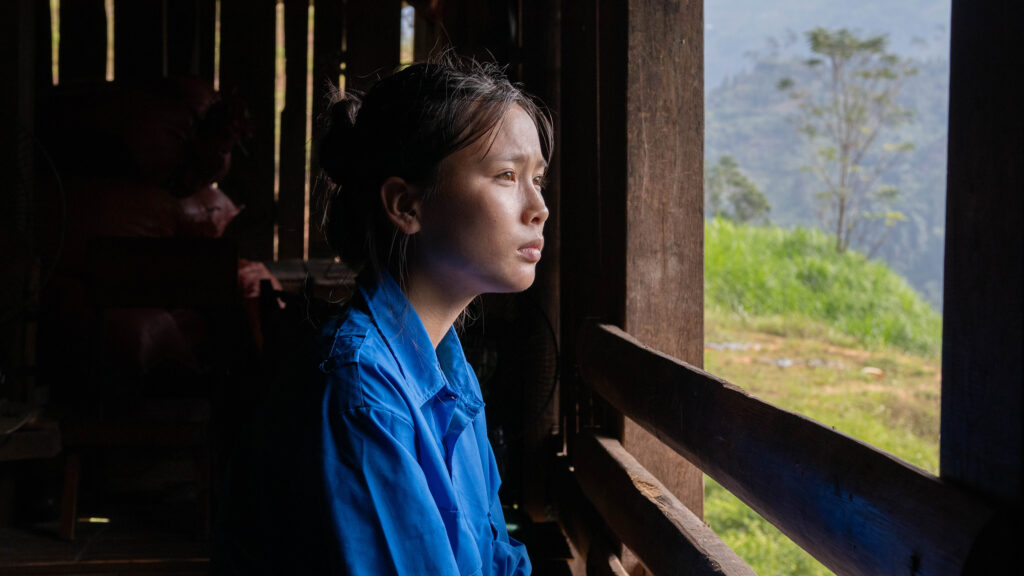
In the remote hills of Tuyên Quang Province, Northwest Vietnam, 15-year-old Ngân faced a choice no child should have to make: accept an arranged marriage or fight for her education. Her story is a powerful reminder of the resilience of girls and the importance of standing up for their dreams.

What kind of girl will I be? Will I achieve my dream? Go to college before finding a job. This is my last year in middle school. Soon, I will take the most important exam of my life to enter high school.

Extract from Ngân’s diary.

Her words brim with hope – but reality struck hard. At the start of the year, Ngân’s mother accepted a dowry from a family who wanted her to marry their son. “It was a great shock for me,” Ngân recalls. “I’ve heard lots of these kinds of stories, but this time it was happening to me. I was terrified and angry. I knew I didn’t want to marry him.”

In rural Vietnam, where tradition still holds sway, her marriage had been arranged through Tu Vi astrology, her dowry quietly negotiated. To question that fate is to challenge everything she’s been taught to accept. In her community, nearly 60% of people were married before the legal age – most of them girls.

Watch the documentary trailer

Directed by filmmaker Hà Lệ Diễm, The Price of Dreams unfolds in Ngân’s own words – through diary entries and reflections – as her teachers and Plan staff join her in a high-stakes conversation with her mother. From feeding chickens and planting seeds to scrolling her phone in solitude, Ngân straddles two worlds – the customs that shape her daily life, and the growing awareness of possibilities beyond them.

One scene between Ngân and her teacher was revisited during filming. It’s an unscripted re-enactment of a real conversation they had several times before. Speaking in their own words, nothing was scripted. This ethical documentary practice helps fill narrative gaps without altering the truth. The goal is authenticity, not performance.

For Ngân, marriage meant the end of her education. When she confronted her mother, Lan, she was crushed by the response. “She said I could wait until I was 18 and still go to school,” Ngân explains. “She also said he is a gentle boy who would be a good husband for me.” Her father agreed. “He said it was good to marry a neighbour.”

Lan believed she was protecting her daughter. “I suffered a lot, and I don’t want you to suffer the same way,” she told Ngân. But for Ngân, this decision felt like a prison sentence. “She doesn’t realise that accepting the dowry makes me suffer just as much as she did.”

Determined to change her fate, Ngân turned to her teacher, Hồng, for help. “Could you please help me convince my mother to return the dowry?” she pleaded. “You and the other teachers could come and talk to her.”

Hồng didn’t hesitate. “You’re one of my best students,” she told Ngân. “Don’t let anything compromise your future. Stay focused on your studies. I will help you.”

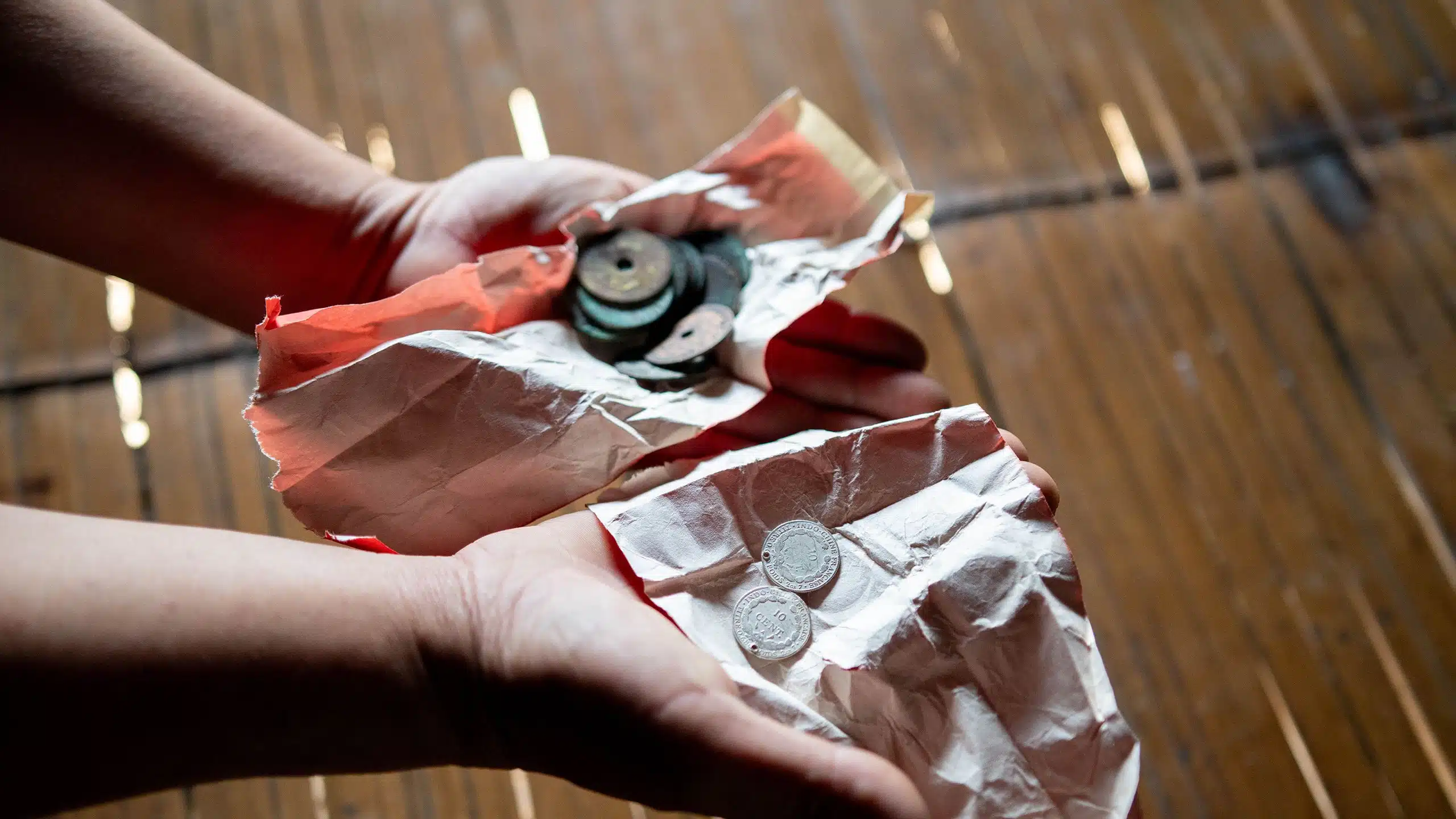
The dowry given in payment for Ngân's marriage. Image: Plan International

Together with other teachers from Ngân’s school, Hồng visited Lan to explain the risks of early marriage. “Don’t you think the boy who paid the dowry may interfere with Ngân’s studies?” Hồng asked. “He could come to school saying, ‘She is my wife.’ Even if it’s not true, he could ruin her reputation. She would be so ashamed that she would quit school.”

The teachers painted a vivid picture of what was at stake. “Ngân should go to high school,” one said. “What a pity if she ends up working in a factory! There you only do manual work all day. Workers have swollen feet as they stand all day long. With a qualification, you can work in an office. It makes a huge difference, and the salary is much higher.”

Ngân's home in the remote hills of Tuyên Quang Province, Vietnam. Image: Plan International

Lan listened quietly. Finally, she nodded. “Ok, I will give the dowry back,” she said. Two days later, she kept her promise. The gifts – two silver piastres, a bottle of rice wine, and a kilo of pork – worth about €250 were returned. “My daughter is still studying,” Lan explained to the boy’s family. “She doesn’t want to get married. She wants to study. We can’t force her.”

For Ngân, that moment was liberating. “Today, my mother returned the dowry,” she says with a smile. “I’m glad to be free of this commitment. I wish every girl could challenge her parents’ decision to accept a dowry. A wedding arranged by a girl’s parents won’t make her happy. We must be strong to fight these oppressions.”

15-year-old-Ngân and her mother. Image: Plan International

Child marriage remains a harsh reality in Ngân’s region, where almost 30% of children aged 11 to 14 are out of school. A recent study by Plan International found 483 cases of child marriage in the province, with 35 occurring in Ngân’s community alone.

But thanks to Plan International’s efforts – providing school supplies, safe spaces, and clubs like Champions of Change – girls like Ngân are learning about their rights and building the confidence to say no. Plan staff join teachers to visit families and discuss what’s at risk when girls leave school to marry.

Ngân’s hard work paid off. She passed her exams and now lives in a dormitory while attending high school. She’s one step closer to her dream of going to college and seeing the world. Her story is a symbol of hope for thousands of girls facing similar challenges. It shows that with support – from teachers, communities, and organisations like Plan International – traditions can change, and dreams can thrive.

Where the pavilions flood and burn

My fever dream at UN climate conference COP30: When diplomacy drags its feet, the real momentum comes from the margins.

Eezu Tan is a Plan International Australia Youth Activist Alumni.

You can follow her work on LinkedIn

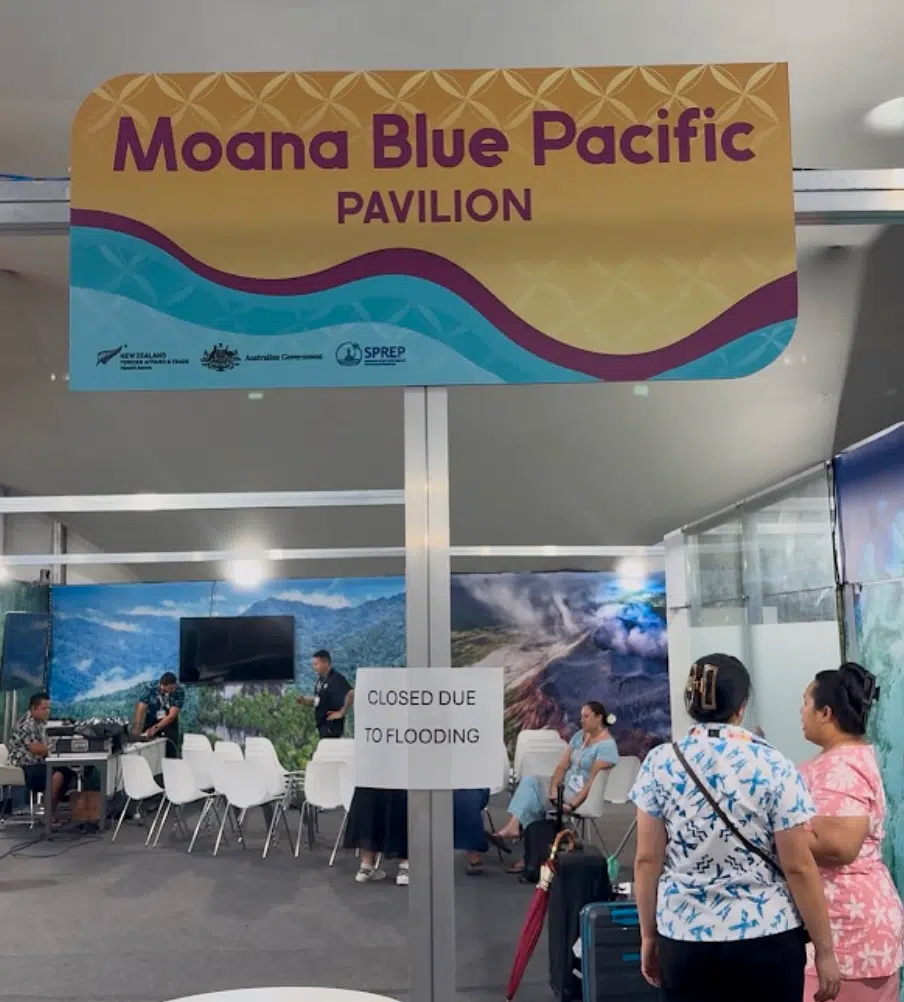
Attending the UN climate change conference COP30 in the Amazonian city of Belem was a fever dream. On day one, I bump into Jacinda Ardern. On day eight, the Pasifika pavilion floods. On day ten, the East African pavilion catches on fire. It’s flames travel across the venue, sending tens of thousands of attendees bolting for the exit. The irony couldn’t be clearer – climate change is here and lower income nations will be the first to go if nothing is done.

What actually happens at the UN negotiations?

Given the global nature of climate change, I came to COP wanting to understand how almost 200 countries can agree on a path forward. The power dynamics are as expected – petrostates  opposed mentioning the energy transition in the Just Transition negotiation track. Small Island Developing States urge developed nations to scale up climate financing, powerfully noting that small island nations are forced to “fix a climate crisis we did not cause”.

I found it fascinating to observe not just what is spoken, but what is unspoken in the negotiation halls. The negotiators would preface their desire for a good faith, open and honest discussion. Yet, their justifications would be hidden in lengthy formalities that feel desperate to hit a word count. In the negotiation track for the Global Stocktake – a mechanism for countries to track and report progress towards the 1.5C Paris Agreement, petrostates waffled for ten to fifteen minutes on what a multilateral “dialogue” should be – taking up precious time in a one hour discussion. Of course, there was no mention of their reliance on fossil fuels as the world’s largest oil exporter. That would be far too overt for an “open and honest” discussion.

A negotiator told me that this delay tactic is pretty common. The idea is that you take up a lot of air time to prevent productive discussions from happening. If no progress is made, the discussion simply gets pushed to next year.

People marching at the People’s Summit protest. Image: Eezu Tan

What are the wins of COP30?

Despite the demoralising process, COP30 has modest wins for the climate – some of which include:

  • 118 countries representing 2/3rds of emissions submitting a strengthened national climate plan
  • US $300M committed to strengthen climate-health resilience as per the Belem Action Health Plan
  • Launch of Global Initiative for Information Integrity on Climate Change to address climate misinformation
  • A Just Transition Mechanism protecting workers and communities as they shift to clean energy
  • More than 80 nations like Australia, the UK and many EU countries backing the inclusion of the “transition away from fossil fuels” in the Belem Declaration on the Transition Away from Fossil Fuels. Although this did not make it into the final Mutirao text, it sends a powerful signal to the rest of the world

For anything to pass, all countries must unanimously agree on the text. Naturally, this means that we must solve for the lowest common denominator (as in – what is the least controversial proposal that everyone can agree on?).

It’s the reason why COP30 faces criticisms such as no mentioning of fossil fuels in the final text, the adaptation finance goal being pushed back by five years from 2030 (a time frame that significantly matters for countries already underwater), and the omission of a deforestation roadmap (at a COP situated right next to the Amazon!) Although multilateralism is important, I’ve learnt that these negotiations are simply laggards of climate action.

So, who are the real leaders of climate action?

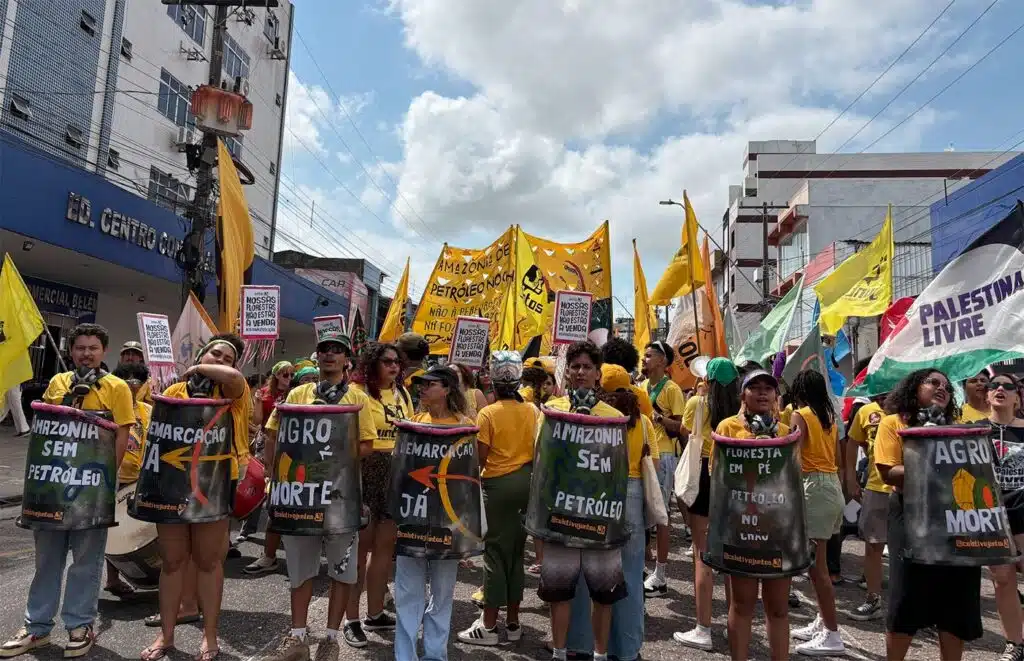
At the People’s Summit march, I walk alongside Indigenous leaders from the Amazon, Australia and the Pacific. Sweating in 30 degree heat, thousands of protesters march to the gates of COP30. An Amazonian elder in a headdress walks up to us welcoming us to his land, and extending the Indigenous solidarity to my First Nations Australian and Pasifika friends.

Indigenous people take care of 80% of the world’s biodiversity and forests, despite comprising just 6% of the population. While this year had the largest Indigenous attendees with more than 3000 delegates out of ~50,000 attendees, their formal recognition at COP is still minimal as the UN remains a Western dominated space. All negotiations are hosted in English, and only some rooms offer live translations. The “best available science” that COP processes demand are often rooted in Western academia and neglect traditional knowledge systems that have listened to our natural ecosystems for thousands of years.

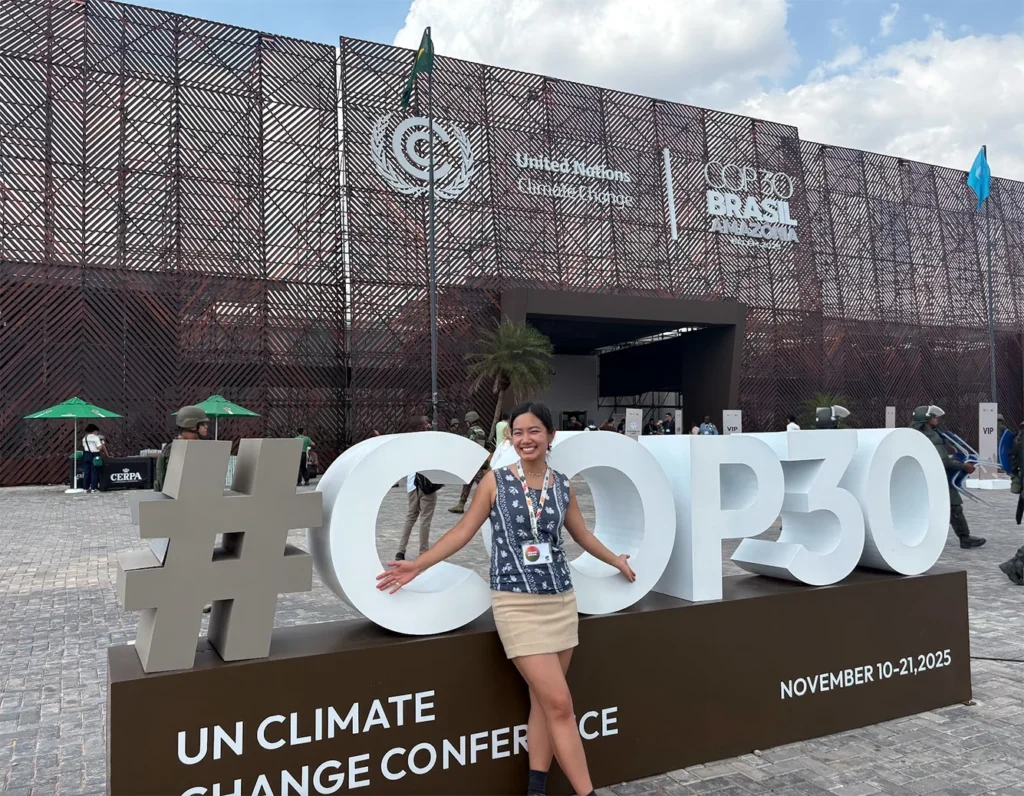
Eezu standing in front of the COP30 venue in Belem, Brazil. Image: Eezu Tan

I think about ways to decolonise UN processes. My friend of Samoan heritage tells me how “activism” is seen as a “white people thing” in her community, particularly with the older generation. However, she says activism shows up in the form of “talanoa” a term used across the Pacific to describe a process of inclusive, participatory and transparent dialogue. It is used in governance – for example, by village chiefs to determine resource use and communal land management. It is grounded in principles of love, respect, humour and warmth. Very different to the UN speak of the negotiations.

I came to COP to observe climate action in the negotiation halls. However, I’ve come to realise that the real leaders sit outside of them. They are the small island states which pushed the world’s leaders to ratify the 1.5C Paris Agreement target ten years ago. They are the young people organising meetings through WhatsApp groups to push for ambitious action. They are the Indigenous leaders demanding a seat at the table to forge a better future.

Hear about Plan Australia’s response to COP30 from Si Qi Wen, our Youth Policy & Advocacy Coordinator.